Japan 2025: Kamakura
After a few days in Tokyo, I’ve realized the city wraps around you and gradually adds layers to you.
At first, you’re overwhelmed with the scale and the density. The way there are somehow always more people coming toward you than seems mathematically possible. You melt a little. You question every movement. What side of the sidewalk do I walk on? Am I violating some sacred rule I’m unaware of?
Spoiler: it doesn’t matter. No one cares and yet it works.
Sidewalk chaos somehow organizes itself without signage, yelling, or Midwestern passive aggression. The escalators, everyone stands to the left. Every single person. Which means if you’re in a hurry, the right lane is a clear runway to sprint past those who left on time. There is order under the chaos. It’s just subtle.
The sun, however, is not subtle.
The sun here is hell. Actual hell. Instead of melting openly like confused tourists, locals deploy umbrellas like tactical sun shields. They are not just for rain, but for survival. Before you know it, you start adapting. First it’s a pocket fan, then it’s a face mask. The instinct to treat train doors opening like the start of an Olympic final. You make it to a seat and immediately feel guilt because an eighty-year-old man is standing. Except in this game, the eighty-year-old man is already sitting in your seat because he anticipated the door opening six seconds before you did. Tokyo trains reward the bold.
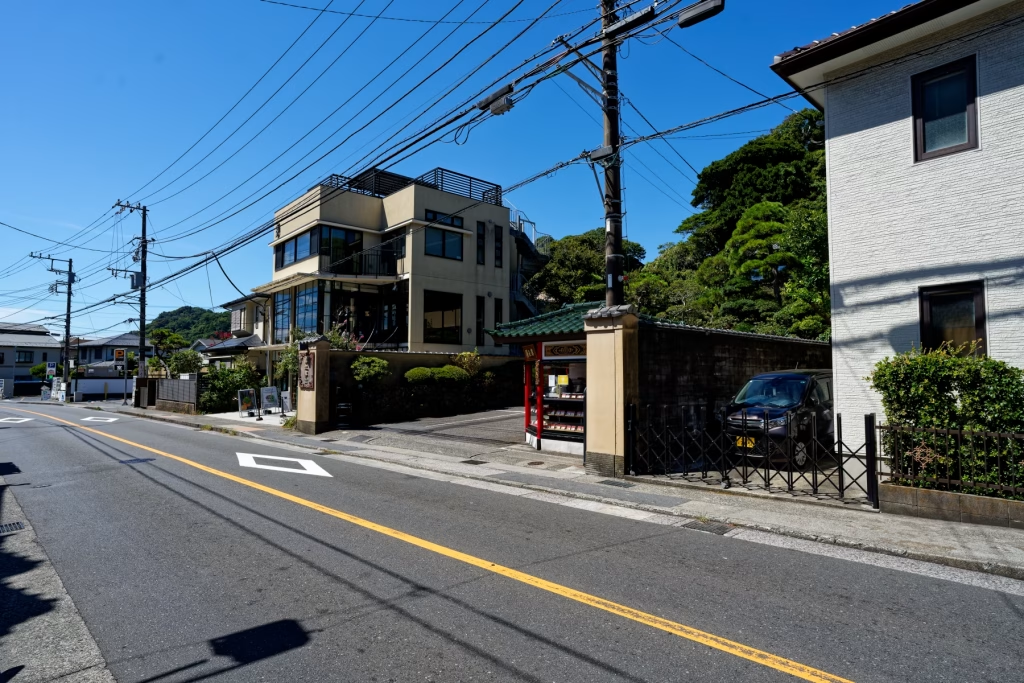
Kamakura. A “quiet beach town,” which is how it’s often described. That description is misleading. It’s a large city disguised as something sleepy. But we aren’t quite there yet.
The day started at 5:30 AM because I had finally slept. Thank you, melatonin. A fragile but blooming friendship. We stopped at a combini for breakfast. Japanese convenience stores are not American convenience stores. They are immaculate, efficient temples of functionality. You can pay bills. Print documents. Buy fresh meals that are suspiciously good for something sitting in a refrigerated case. Egg sandwiches here are elite-tier. Soft milk bread, perfectly seasoned egg salad. If you know, you know. We added melon pan and coffee with one of those absurdly engineered extending straws that extends like a NASA prototype. I did not discover its full potential. I simply wondered why my straw stopped halfway down the cup and, in my half-awake state, accepted it as fate until Kristen gently pointed out what should have been obvious.
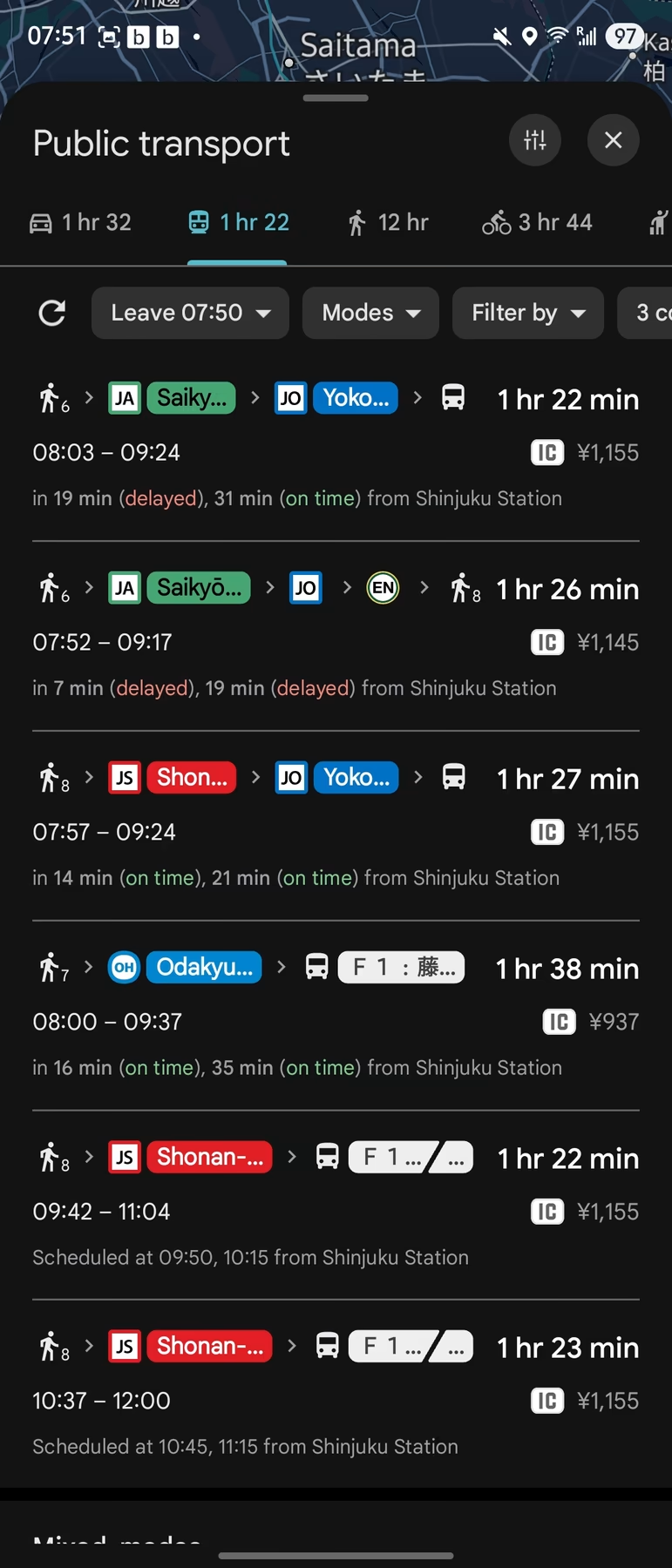
We made our way to Shinjuku Station, where Google Maps, my ride-or-die navigation partner decided to take a smoke break. It had been carrying us for two days. Deep trust, heavy reliance and then suddenly it rerouted us mid-stride, suggesting a completely different line, different platform, different train because the original was now delayed.
I remember someone once telling me Japanese trains are never late. That person is a liar.
Shinjuku Station is the busiest train station in the world. Not metaphorically. Literally. It’s a small city. There’s a shopping mall inside. More restaurants than my hometown. Multiple lines weaving through like arteries. Trying to navigate that on Day 3, without a functioning map, after being demoted from transportation gods due to yesterday’s Green Car incident? Not happening.
So naturally, we chose chose wrong.
Our logic at the time, important detail was simple. Exit the station. Reboot. Don’t save. Start over. Clean slate. We had already tapped into the gates. Apparently, this is not how it works. Alarms chirped aggressively when we tried to leave. We were trapped in the matrix. It was at this point events crossed the line from stressful into funny. Terrifying, but funny. How had we fallen so far in twenty-four hours? Yesterday we were conquering Tokyo train lines. Today we were being detained by turnstiles.
Two options presented themselves:
- We live here now.
- Get on a random train, get off, and hope the system resets.
There was, of course, a third, far more rational option: talk to a human. We found a JR employee and approached him with bows, muttered sumimasen, and the unmistakable energy of lost Americans. He said nothing, just pointed and let us out. Yatta. We do not have to live in Shinjuku Station. Finally we were at the correct station, correct platform and correct train. We briefly considered upgrading to Green Car, this time on purpose, but couldn’t find the kiosk in time. So we stood. Packed train. Rush hour. Bodies pressed closer than our Midwestern norms allow As the train rolled farther from central Tokyo, it thinned and open space returned. We found seats. The skyline disappeared, buildings lowered.
Kamakura awaited.
It was just shy of 10:00 AM when we arrived at Hase Station. Our aggressively early start had gifted us a generous margin of error, which was fortunate because we were still fully capable of bumbling through anything placed in front of us. We stepped off the train and I immediately smelled the sea. Just a clean, briny whisper riding the air. The light felt different too, whiter, sharper. The city’s density had softened into something coastal and open.
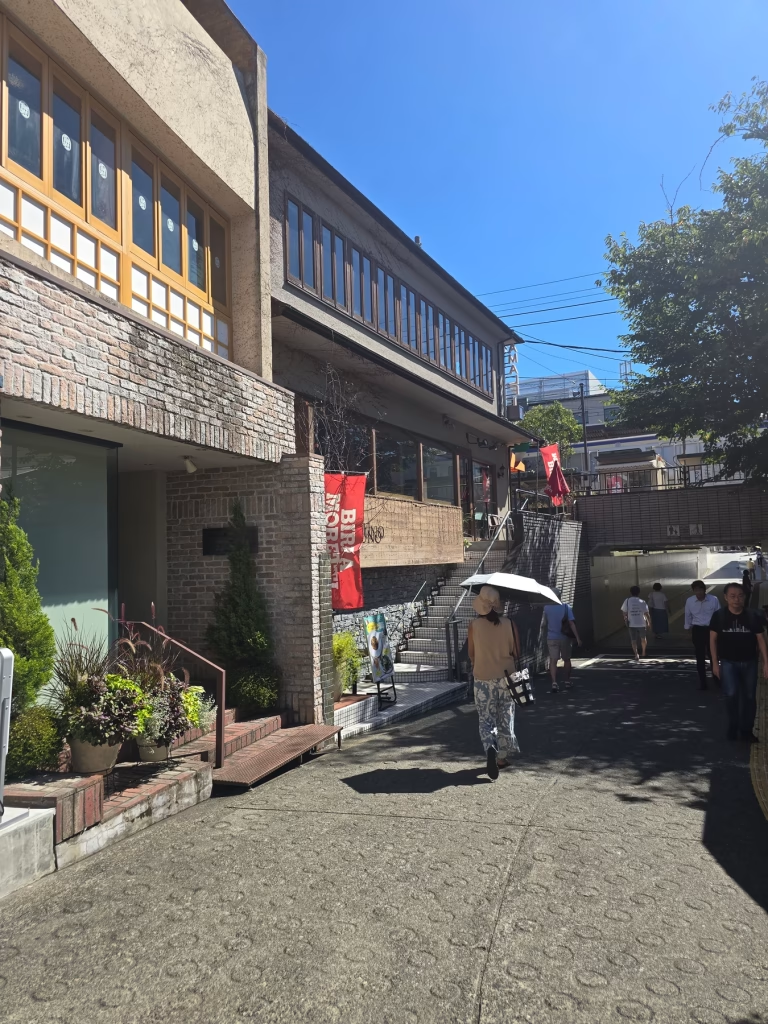
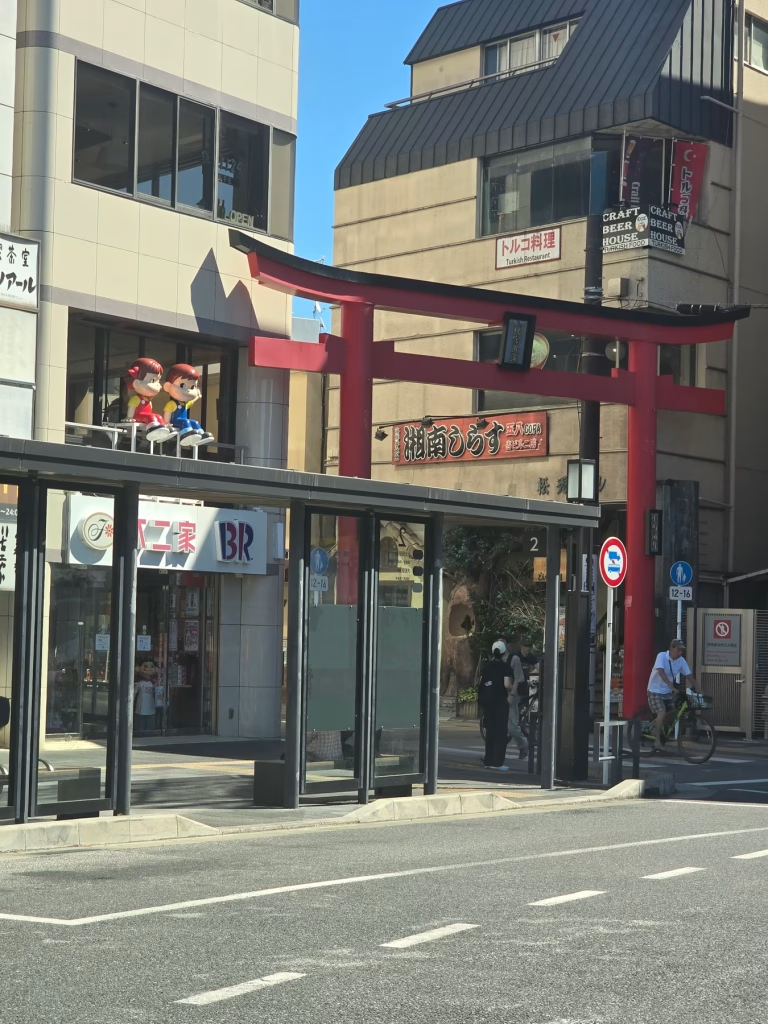
Right outside the station were signs pointing in two directions like a moral test. Kotoku-in one way. Hasedera the other. Choose your adventure. We decided to head toward Kotoku-in first. The logic was sound: see the biggest draw before the crowds swell and your spiritual experience becomes shoulder-to-shoulder tourism.
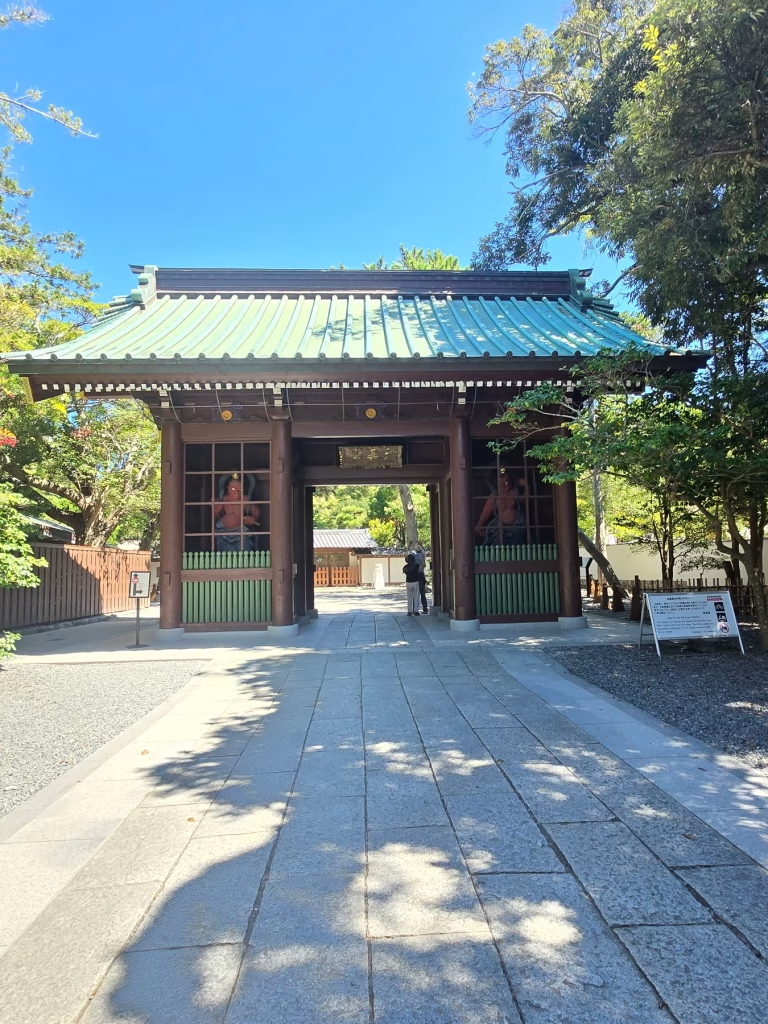
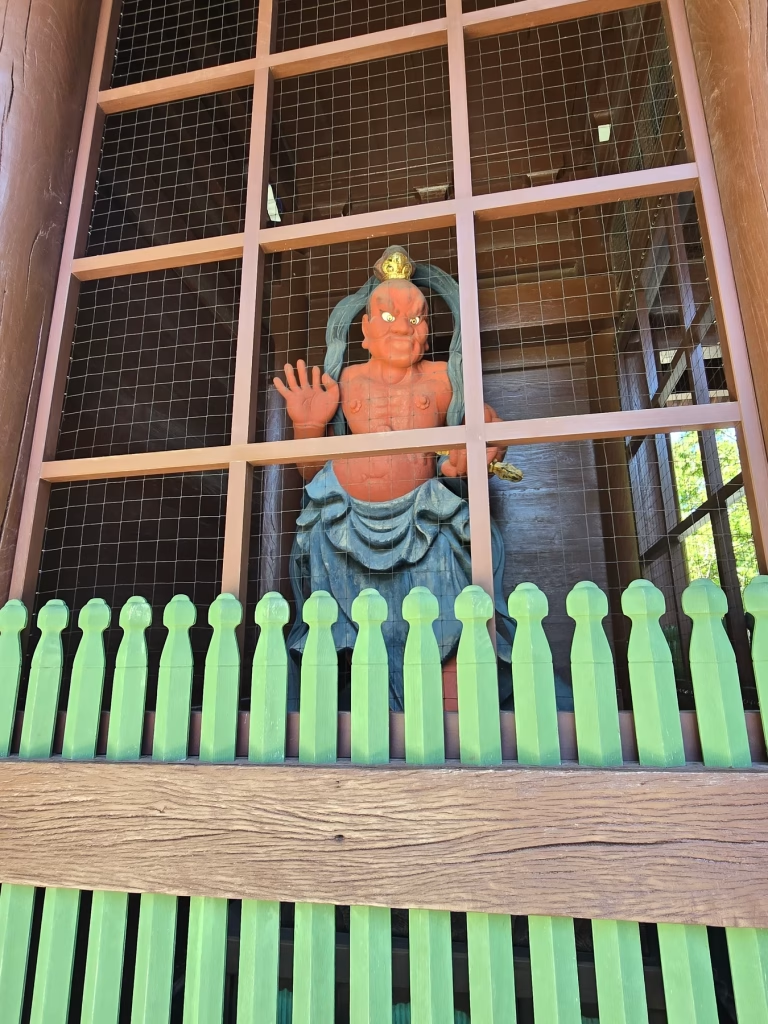
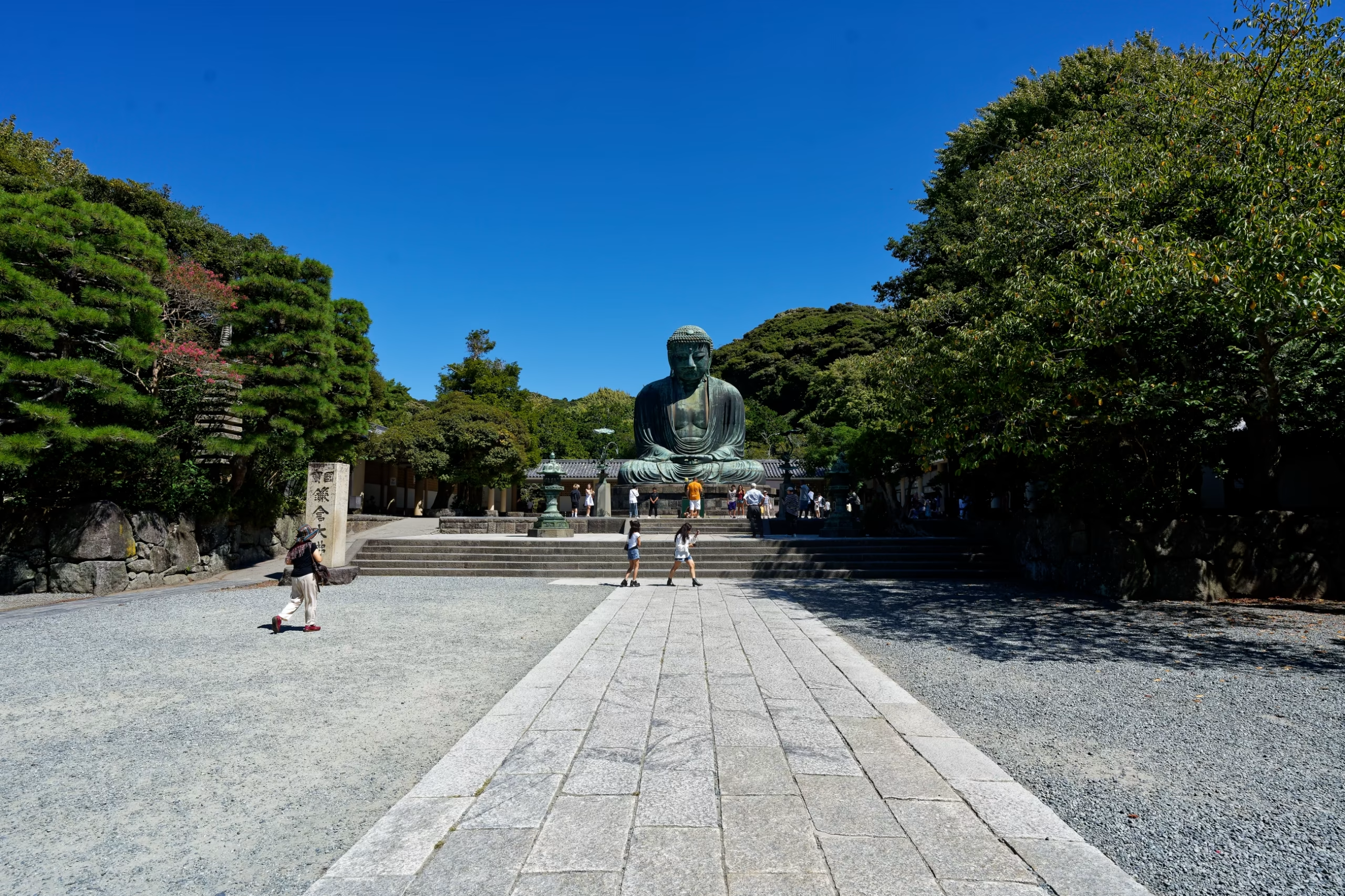
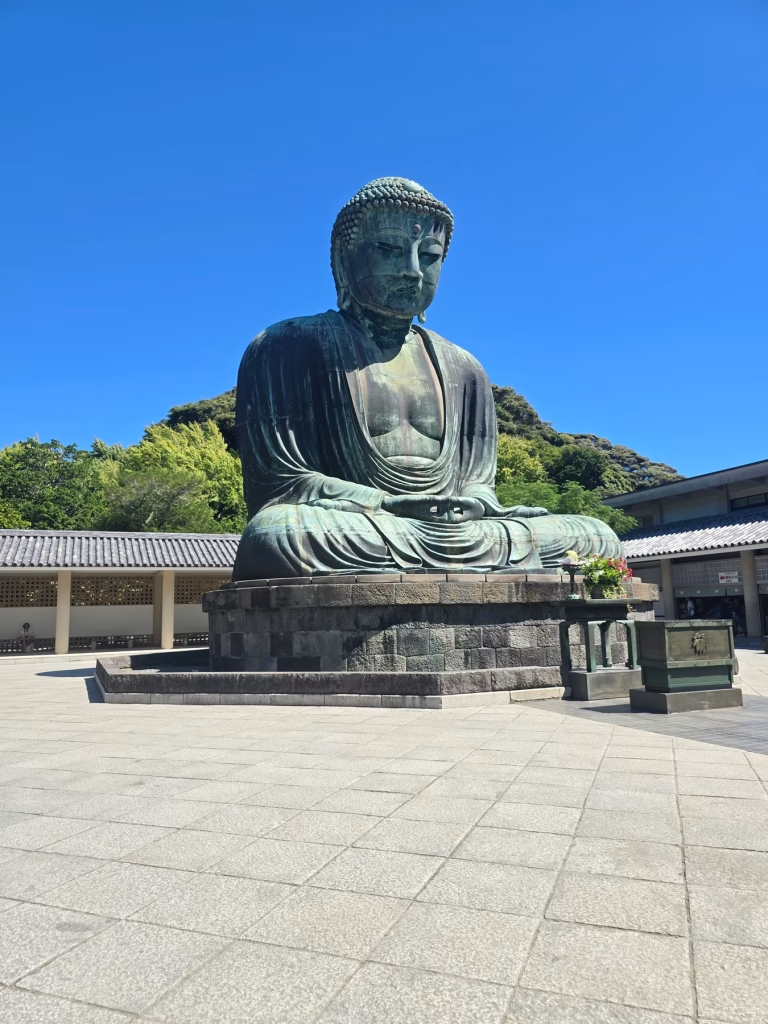
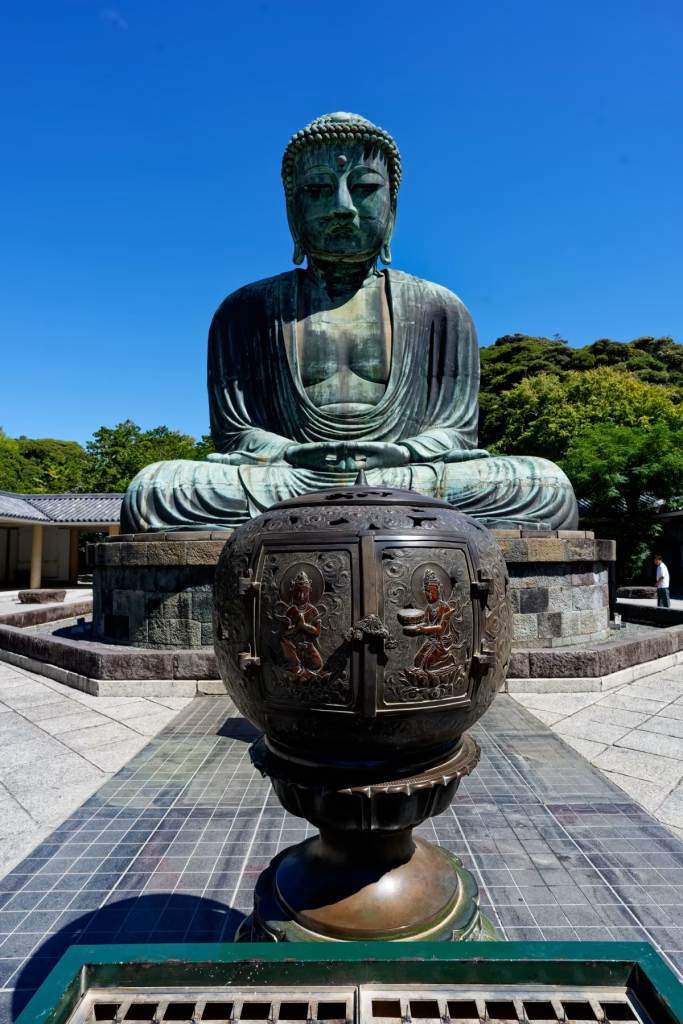
A short walk later we arrived at Kotoku-in. This temple is home to the Great Buddha of Kamakura, a towering bronze Amida Buddha that has been sitting there since the 13th century. Originally housed inside a wooden hall, the structure was repeatedly destroyed by storms and tsunamis, including one in the 15th century that simply…removed the building. The Buddha stayed. The hall did not. There’s something deeply metal about that.
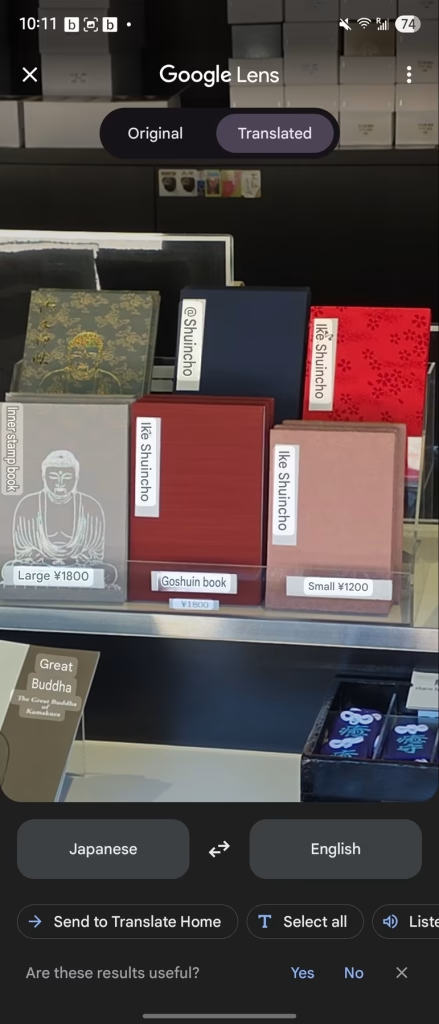
This was our first major temple of the trip, and this is where we acquired our goshuin-cho. For the uninitiated: a goshuin-cho is a special book used to collect temple and shrine seals. Each location hand-draws their calligraphy directly into your book, layered with bold black ink brushwork and finished with vermillion stamps. It’s part art, part pilgrimage record, part spiritual receipt. They will not write it on your random notebook or scrap paper. It must be in an official book. We opted for the larger version for ¥1,800, though smaller ones were available for ¥1,200. The calligraphy itself usually costs ¥300–¥500 depending on the temple.
Do it. If you’re debating it, stop. Just do it. Looking back, flipping through those pages is one of my most cherished memories of the entire trip. Each spread is slightly different. Some temples lean bold and dramatic. Others delicate and restrained. It becomes a physical timeline of where you’ve been and who you were when you stood there.
Goshuin secured, we made our way to Hasedera.
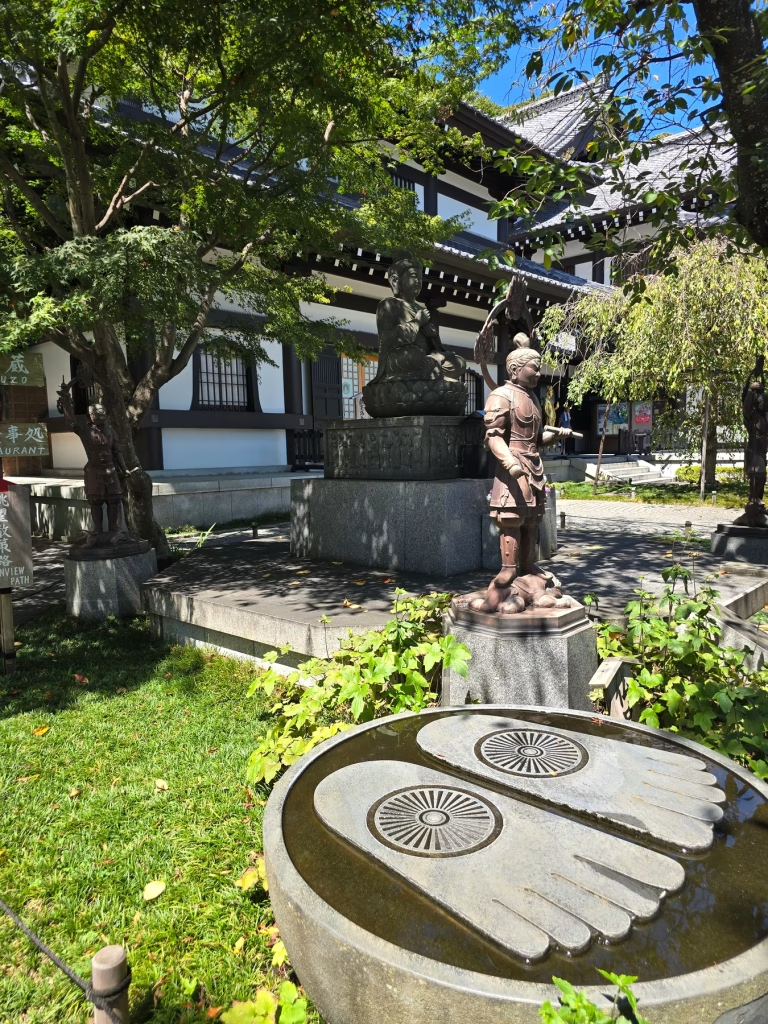
Hasedera is a Buddhist temple famous for its eleven-headed statue of Kannon, the goddess of mercy. The grounds climb up a hillside, with wooden walkways weaving through gardens, small shrines, and hidden alcoves. This was my favorite temple of the trip, and one of three places I actually stopped and prayed.
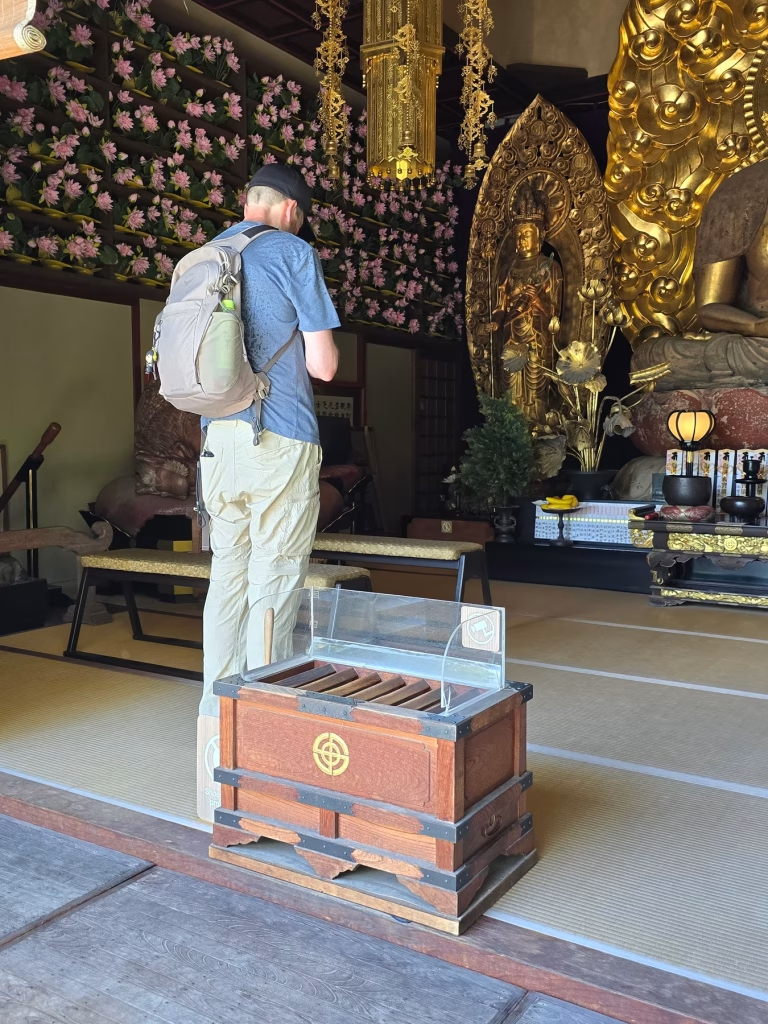
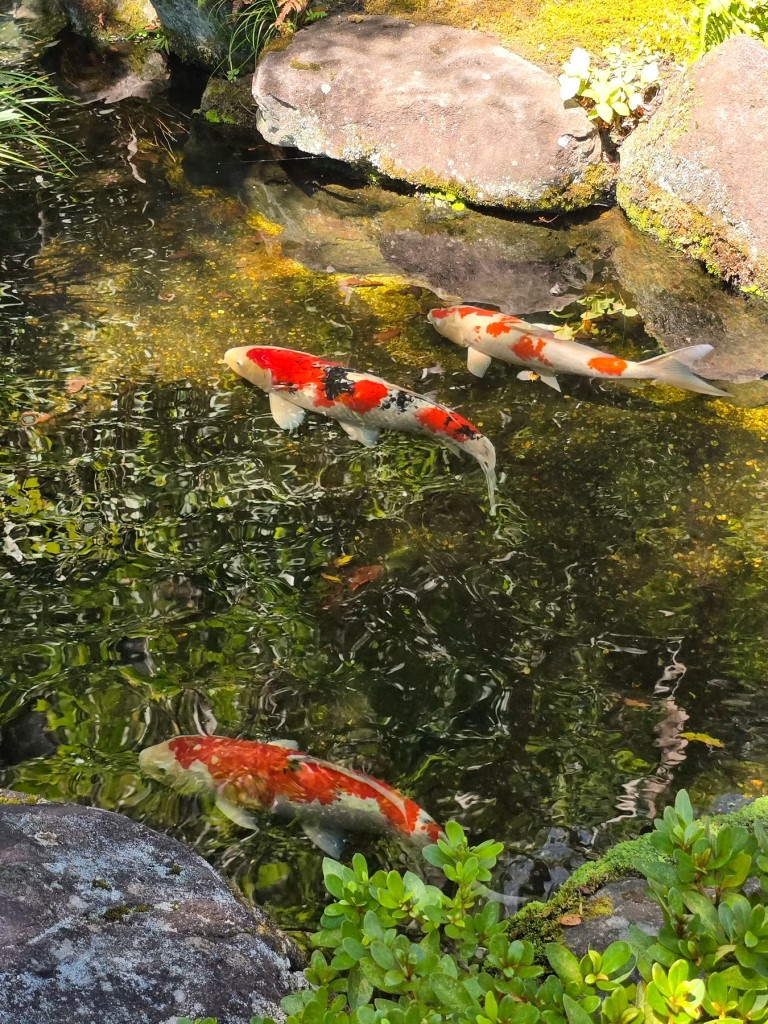
If you’re at a Shinto shrine, the ritual is typically: toss a coin into the offering box, bow twice, clap twice, pray silently, bow once more. At a Buddhist temple, you don’t clap. You may light incense, ring a bell gently, bow, and offer your prayer quietly. The details vary, but the experience feels the same: pause, acknowledge, reflect.
At Hasedera, Kristen and I wrote one of our greatest wishes on an ema, a small wooden plaque, and hung it among hundreds of others. Rows of handwritten hopes swaying slightly in the sea side breeze. We also drew omikuji, paper fortunes. If you draw a bad one, you tie it high on a wire rack so the bad luck stays behind and improves. Thankfully, that was not necessary. We received “excellent” and “great” luck. I’m not normally superstitious, but I firmly believe that shaped the tone of the rest of our trip.
We lingered at nearby benches next to vending machines (of course). Sat in the shade, read signs warning us of rogue kites who would steal your snacks. Smelled dango being grilled somewhere nearby, sweet soy glaze caramelizing over charcoal. From one of the viewing platforms, the panoramic seaside view stretched out below us, Sagami Bay shimmering in the distance. It was barely midday and we had already packed in more serenity than most entire vacations.
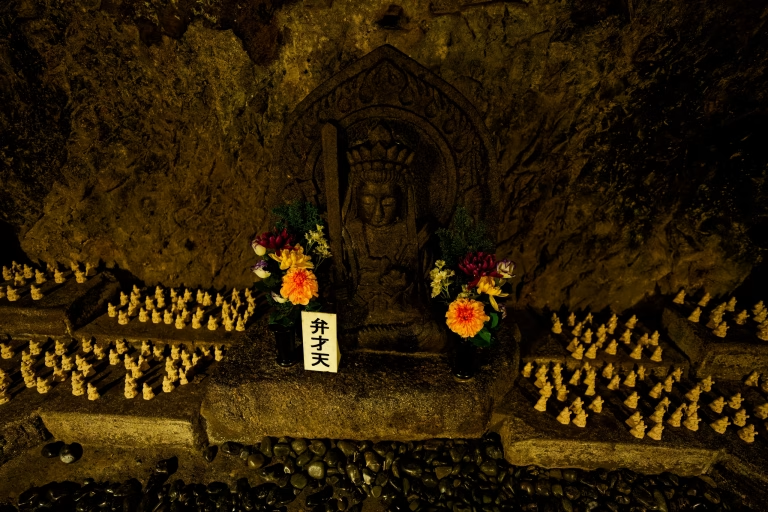
Next, we ducked into Benten Cave, a small grotto dedicated to Benzaiten, goddess of music and knowledge. The cave winds through dim stone corridors lined with carvings and tiny statues. It felt ancient and slightly claustrophobic. Just another layer of Kamakura’s personality tucked quietly underground.
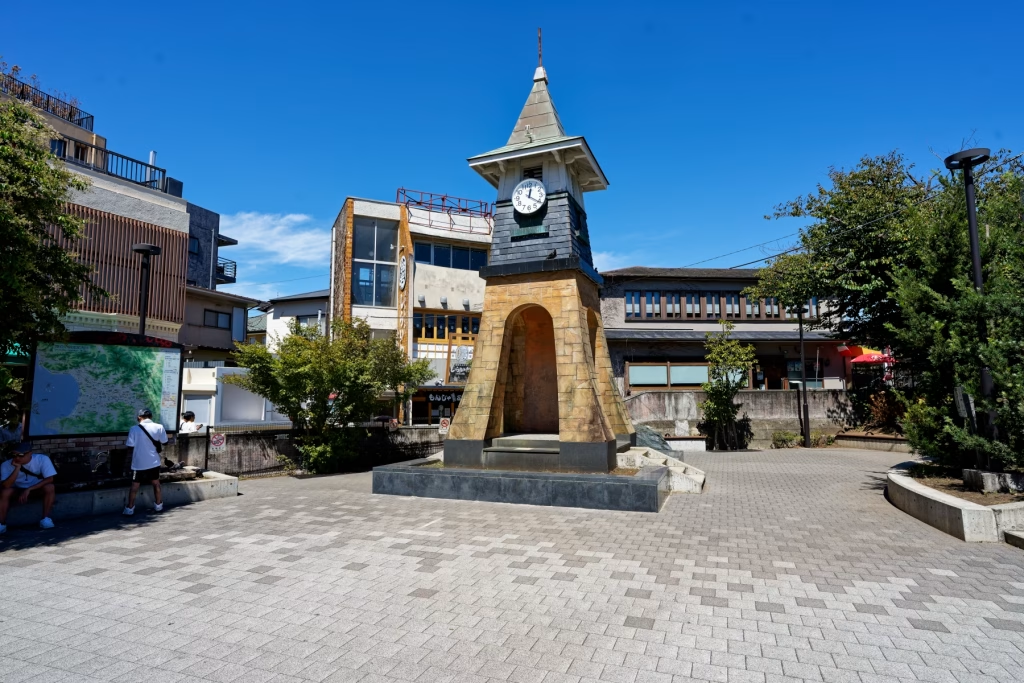
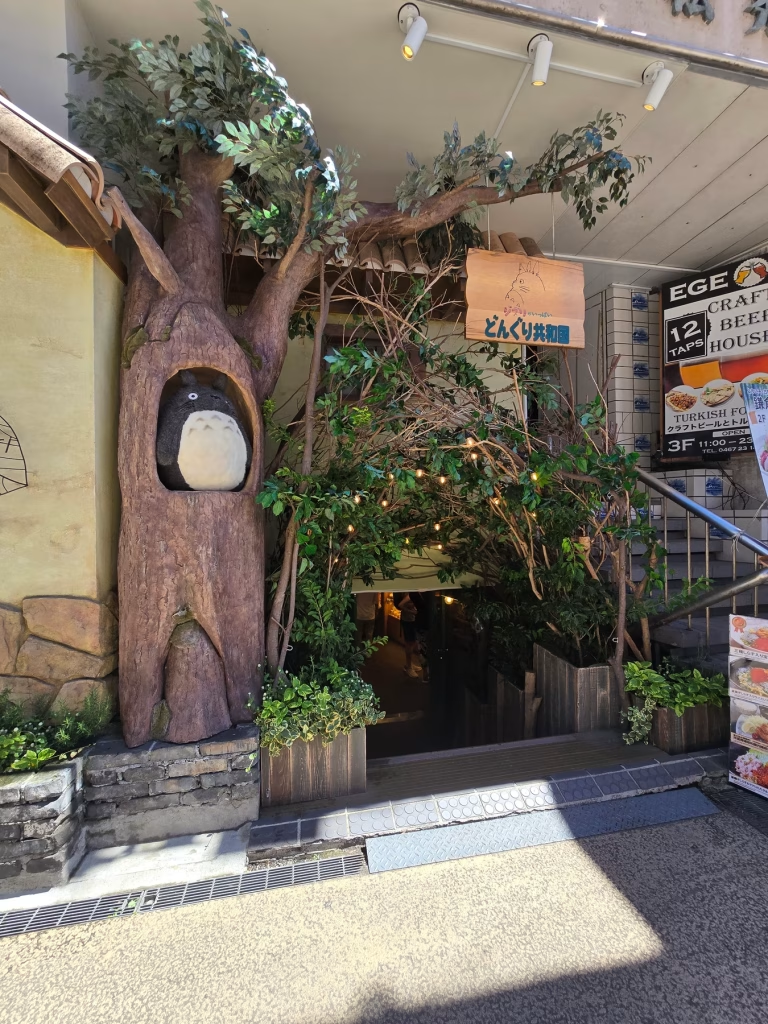
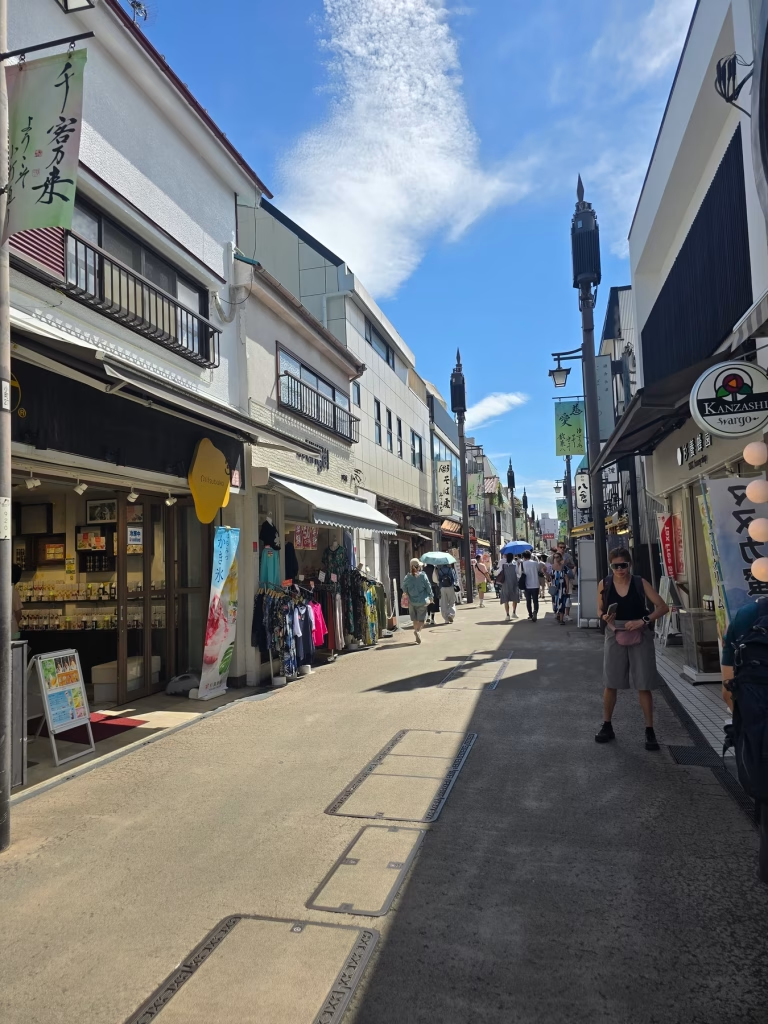
All of this happened before we realized we were starving. Back into town.
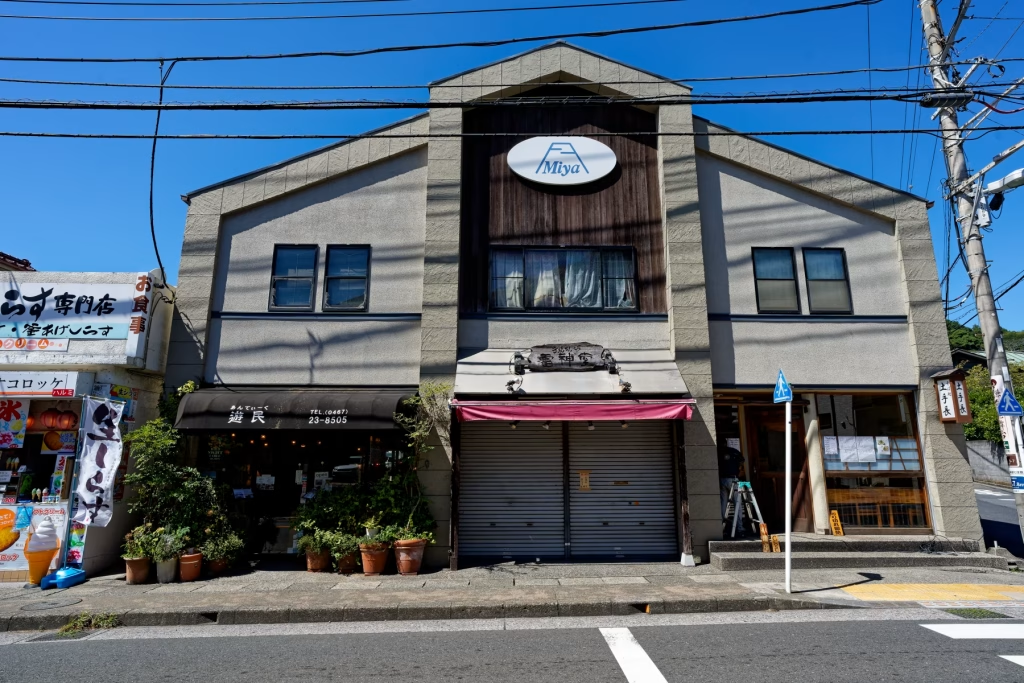
We grabbed a bus toward Komachi-dori. “Dori” means street, but when you hear it in this context, it usually means food. Komachi-dori delivered. Snacks everywhere. Matcha sweets. Grilled seafood. Ice cream and shaved ice. The problem wasn’t finding something to eat. The problem was finding one thing.
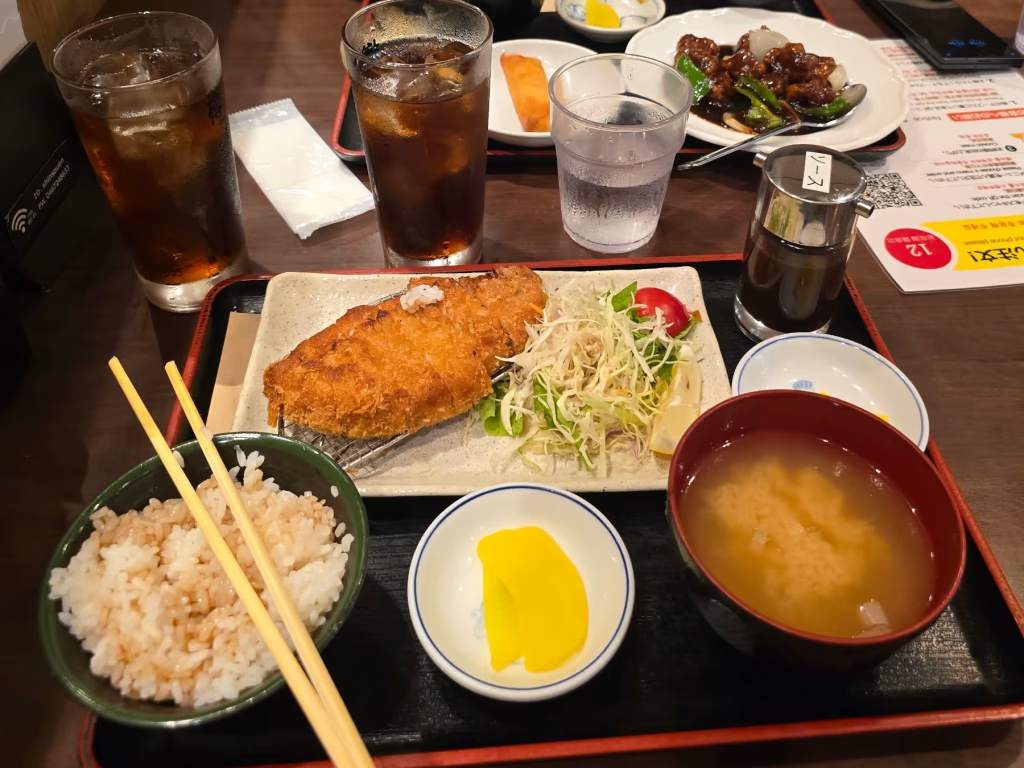
At this point it was 96 degrees and patience was erased. We stood paralyzed by options until the hangriness kicked in and logic evaporated. We chose the first place with visible air conditioning. It turned out to be Japanese-Chinese fusion. The staff spoke zero English. Thankfully, Japan loves an iPad ordering system. This one had pictures but no English text, which is how we discovered Kamakura’s local specialty: shirasu. Shirasu also called whitebait, are tiny translucent fish, often served raw and piled high over rice like a wriggly protein avalanche. It might be incredible. It might be life-changing.
No thank you.
Ten minutes later we were sipping cold oolong tea and I was eating sweet and sour pork, spring rolls, rice, and miso soup. Kristen went more traditional with a pork cutlet set: crispy tonkatsu, shredded cabbage, pickles, miso. Everything was delicious. Hunger solved. Morale restored.
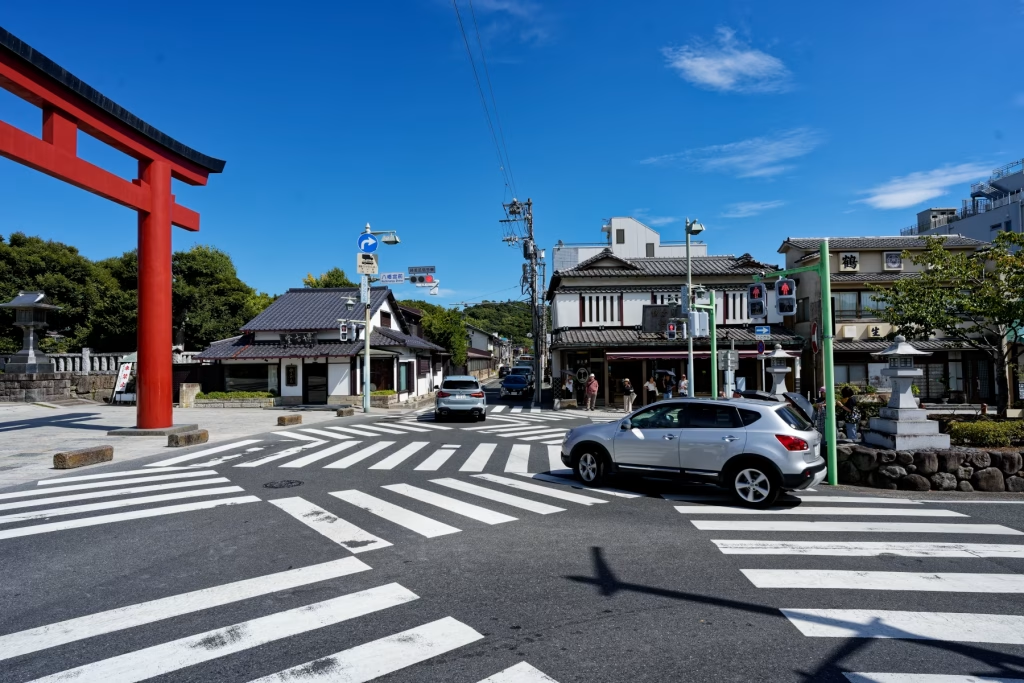
Revived and significantly less irritable, we decided to squeeze in one more temple: Tsurugaoka Hachimangu. This Shinto shrine dates back to the 11th century and was once the spiritual center of the Kamakura shogunate. A long approach leads you upward toward a grand staircase. The heat was brutal by then. We climbed slowly, then collapsed onto a low stone wall along with several other pilgrims clearly rethinking their cardio.
If you ever talk to me about Japan, you will quickly learn I am borderline obsessed with the sound of their cicadas. They don’t chirp. They scream. A full, electric wall of sound that fills the air like white noise designed by nature. We sat there for at least fifteen minutes just listening. I took a video purely for the audio. Kristen made fun of me and I do not care. It’s one of my favorite sensory memories of the entire country.
We still carried mild trauma from the morning’s train density and wanted to beat rush hour back to Tokyo, wisdom prevailed. We called it. The walk back felt peaceful. Slightly Ghibli. Sea breeze and quiet streets. That calm was briefly interrupted when Kristen tapped her hotel key at the station gates and nothing happened. She tapped again. And again. I gently pointed out that this was not, in fact, our hotel. We laughed. Trauma response. We boarded the green Enoden train, which winds along the coastline and through neighborhoods like something out of an anime opening sequence. As it pulled away, Kamakura felt like a success, a destination that delivered everything it promised.
Shinjuku awaited.
We made it back to the hotel without any additional public humiliation, which at this point felt like a win. The 5:30 AM start, however, had begun collecting interest. We attempted a nap. I say “attempted” because I am now convinced it is possible to be too tired to sleep. Jet lag doesn’t just make you sleepy. It scrambles your operating system. Your body says exhausted. Your brain says it’s 2pm, keep going. We rolled around in that weird in-between state where you’re horizontal but absolutely not resting.
Motivation check: we rolled a solid 2.
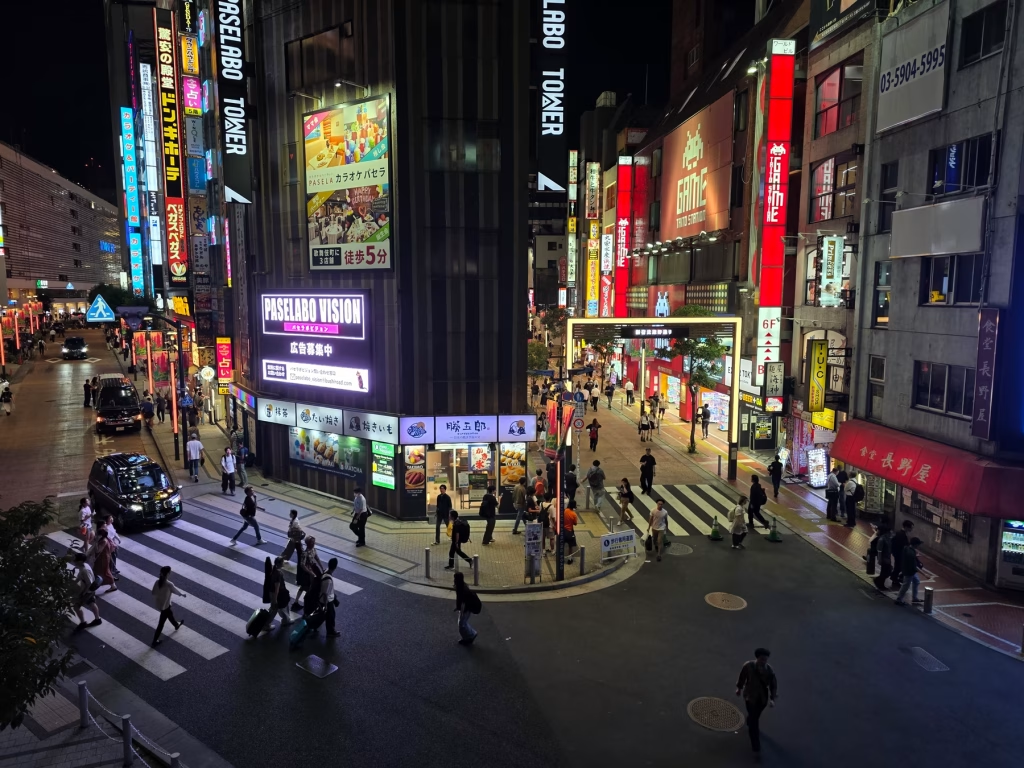
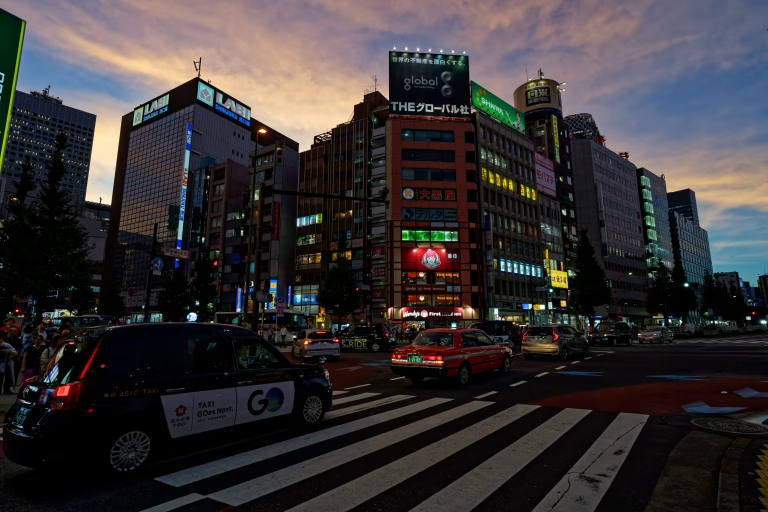
Kristen required the promise of food before entertaining the idea of leaving the hotel again. Fair. Food is a powerful motivator. So once more, like moths to neon flame, we drifted back toward Kabukichō.
Dinner was calling. Unfortunately, so was choice paralysis.
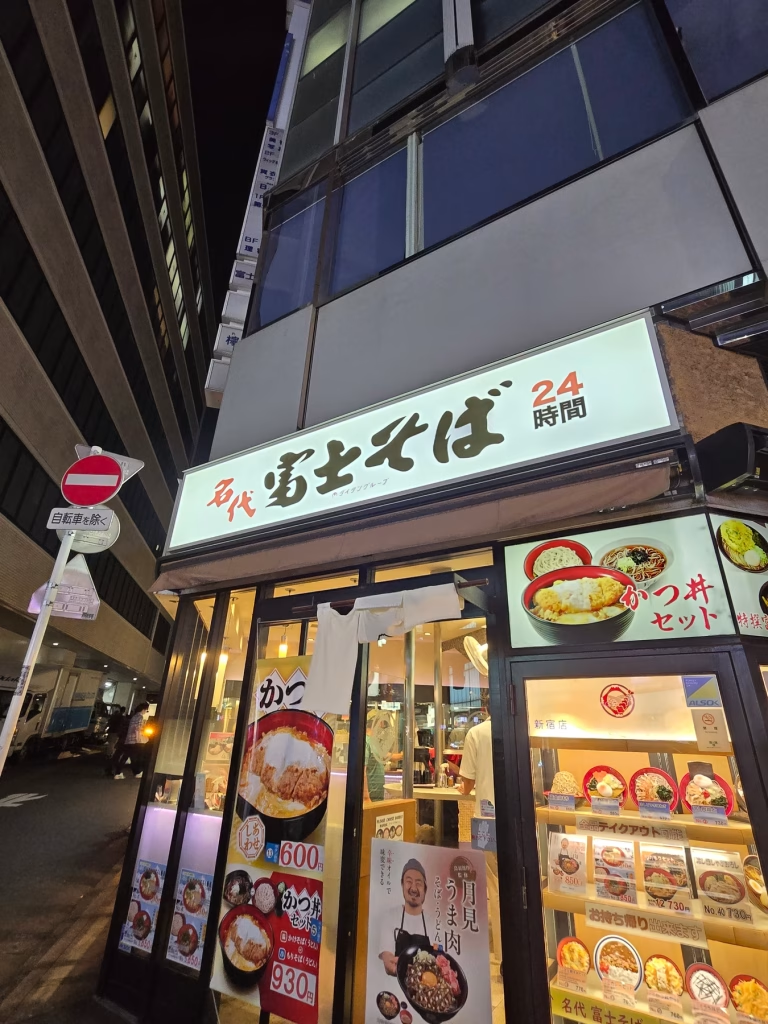
We passed a promising ramen shop with maybe six seats total. It looked perfect, intimate, steamy, probably incredible and yet we kept walking, because we enjoy making our lives harder. We wandered toward Golden Gai, a maze of narrow alleyways packed with hundreds of tiny bars, many seating fewer than ten people. It’s post-war Tokyo preserved in microform. Each bar has its own theme. Punk. Jazz. Horror. Literature. Some openly welcome tourists. Others politely do not. We were seconds away from committing to a tiny rock-and-roll dive when announcements came over loudspeakers in the area. A public warning. Apparently some establishments had been overcharging tourists.
Pause there for a second. Not robbed. Not assaulted. Not mugged. Overcharged.
It was the police’s civic duty to announce it publicly to keep us safe. Arigatou gozaimashita, Nihon. Truly. That was enough to push us onward. Not out of fear, but day 3 in a foreign country, a little caution is never a bad thing. We wandered back into Kabukichō, but still nothing felt right, hunger was creeping back in and decision fatigue was intensifying. Then we made a random detour into a Bic Camera we hadn’t seen before. I had low expectations. Very low. We asked, without much hope, about an Instax Square camera.
There were nods. Wait. Seriously?
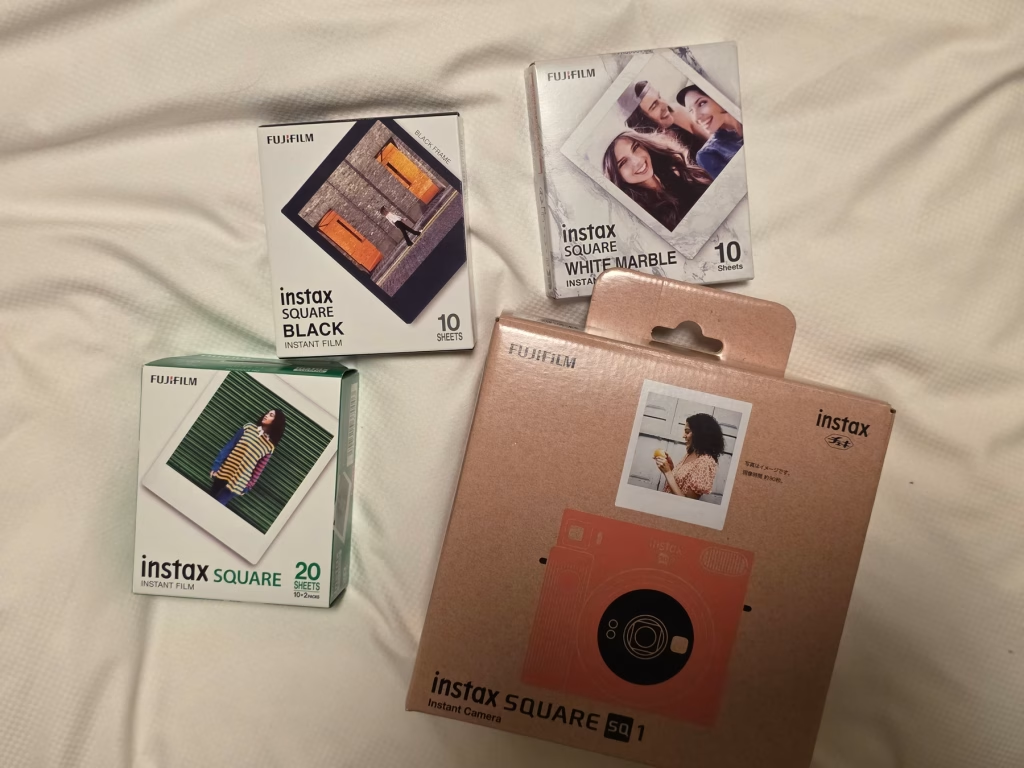
Remember that “excellent luck” fortune from Hasedera? This was the turning point. They had exactly one Instax Square in stock. Burnt orange. The exact color we had quietly hoped for. No film, but at this point we were operating on pure gratitude. Large purchases in Japan are adorable. There’s bowing. There’s careful bagging. There are repeated arigatous exchanged with sincerity. It feels ceremonial. The transaction alone was worth it.
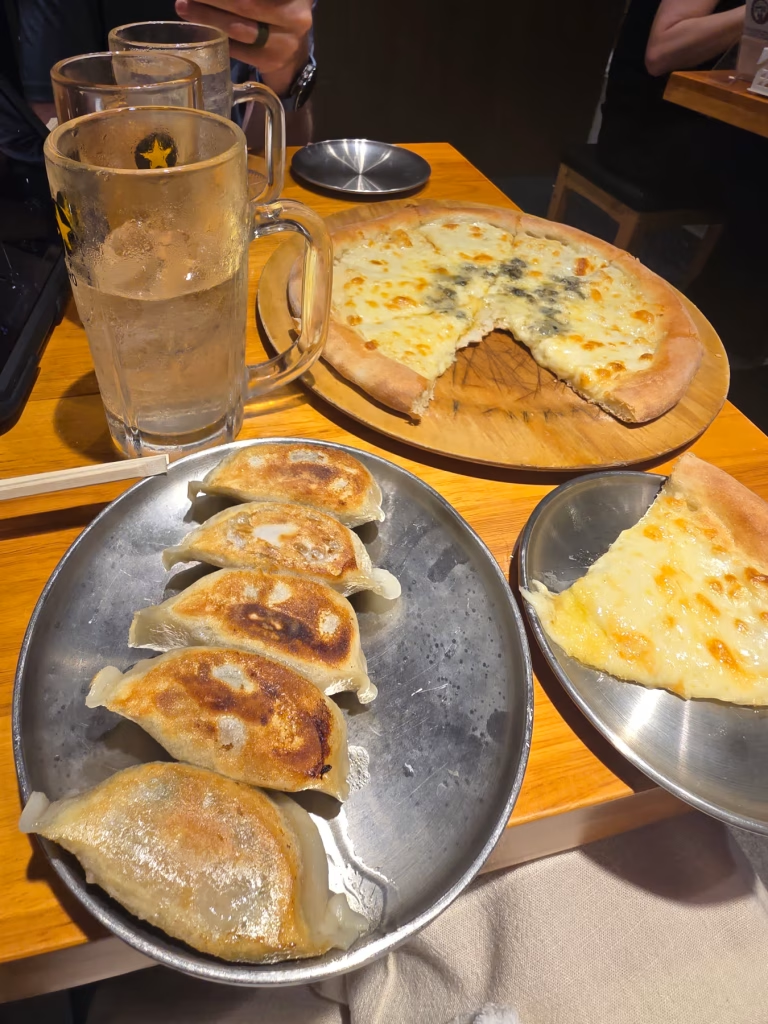
Camera secured, morale skyrocketing, we wandered back toward the hotel and noticed a large, lively bar directly across the street. We had walked past it multiple times without thinking. Tonight, fueled by luck and mild delirium, we followed our new mantra: eh, why not. We walked in. Ordering was done via iPad which was appreciated. The menu was a mix of Western-ish comfort food and Japanese staples. The prices were suspiciously low, so naturally, we did what we do best. We ordered in excess.
Gambatte.
Quattro formaggi pizza for ¥1,600. Gyoza for ¥200. Whiskey highballs for ¥200. For context, the exchange rate was roughly ¥146 to $1. Do that math and try not to smile. The highballs were cold and dangerous at that price.
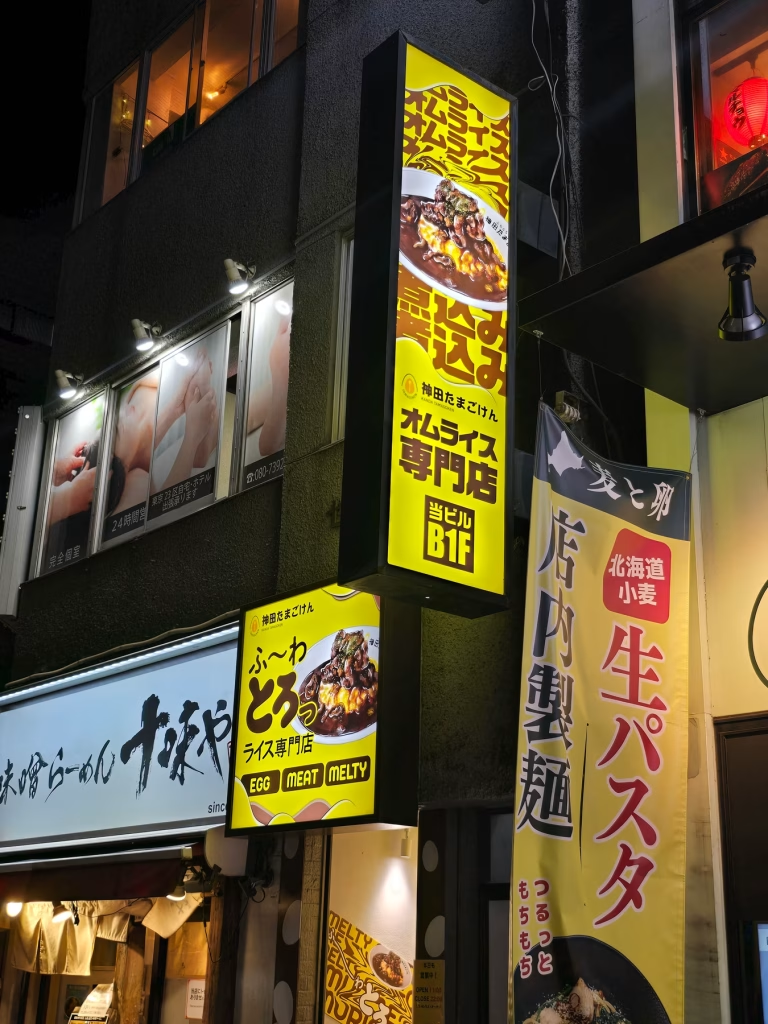
After dinner, we wandered Shinjuku again and because apparently the universe wasn’t done rewarding us, we stumbled across another Bic Camera. This one had film. We bought it all. By the time we made it back to the hotel, we were completely done, exhausted in a full-body, deeply satisfied way. We collapsed into bed, aware that somehow, impossibly, all of that had happened in a single day