Japan 2025: Shibuya
Morning People are Liars
I woke up at 6:00 AM and for the first time in days remembered what being human feels like. Six hours of real sleep will do that. It doesn’t fix you entirely, but it puts your bones back in the right places. Jet lag was still lurking, but it had downgraded from a monster to a mild nuisance.
Kristen was still deeply unconscious and I tried my very best to match her energy. We technically didn’t have to be up until 7:30. Today’s destination was Shibuya, and if you remember our Akihabara lesson, nothing, absolutely nothing, would be open before 10:00 AM and that’s optimistic. 11:00 is the real start time, despite the sun having been up since 5:00 like an overachiever.
I love reading people’s travel tips about Japan. If you sift through the Facebook comment sections and TikTok takes, you’ll find a recurring theme: Be a morning person. Beat the crowds. Rise with the sun. Seize the day.
Respectfully, no. It’s terrible advice.
That advice worked exactly once on this entire trip, and that was at Fushimi Inari in Kyoto when we were temple-hopping at dawn. In the city? It’s nonsense. Why should I wake up early? Nothing is open. No one is open. Am I supposed to just loiter outside a shuttered Uniqlo and vibe with the cicadas? No, because even the cicadas are still asleep at this point.
So here’s my revision: Enjoy your vacation, it wasn’t cheap. If you want to sleep in, sleep in. The shops will still be there at 11:15.
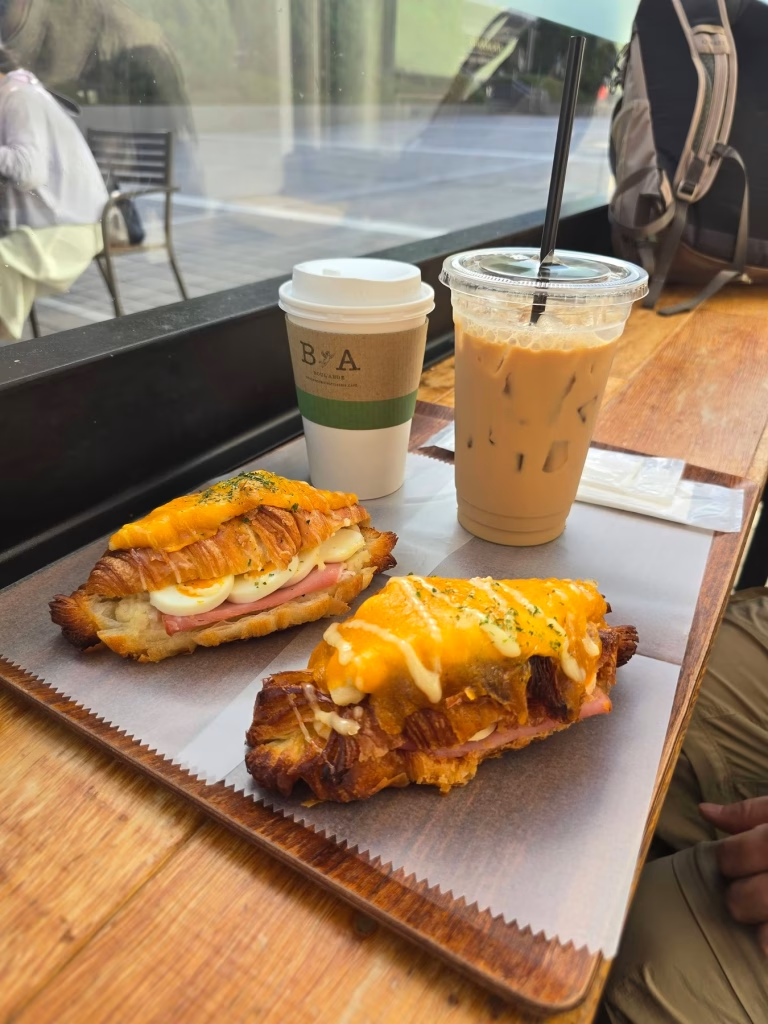
Since we were up anyway, we did what we always do to bridge time gaps: food. Our hotel in Shinjuku was a short walk to a plaza filled with coffee chains and breakfast spots. Enter: Eggslut. Calm down, we have them in the U.S. too. It’s a name, not a lifestyle choice. Breakfast was described on the menu as part French, part Japanese, part… something else. I ordered a Croque Madame. I have had a Croque Madame in Paris. This was not that. This version contained sliced hard-boiled eggs and potatoes inside a baguette, as if someone had lovingly deconstructed breakfast and then forgot what they were doing halfway through.
Did I mention how weird it was?
It wasn’t bad. It was just…different. Also, this was the first time in days I had eaten with my hands instead of chopsticks. A shocking return to primitive behavior and it wasn’t even optional. There were no utensils. No chopsticks. No plastic ware. Just bread and my two hands. Whether Eggslut was being aggressively eco-friendly or we were simply blind is a mystery that will remain unsolved. Hunger satisfied, caffeine acquired, we realized we had forgotten a few critical items back at the hotel. No problem, the hotel was right there. We walked back, up to the room, grabbed the forgotten goods, and headed out again. Half a block later, holding our almost-finished coffee cups, we ran headfirst into one of Japan’s most unspoken truths:
There are no trash cans.
You think this is an exaggeration, it is not. Japan has declared war on public garbage receptacles. After the 1995 Tokyo subway sarin attack, public trash cans were removed from many areas for security reasons. The country simply decided that everyone would carry their trash home like responsible adults. They do. It works. It’s clean. It’s civilized. It’s also mildly inconvenient when you are holding an empty coffee cup with nowhere to put it. So we turned around. Back to the hotel. Surely the lobby would have a trash can.
It did not. Of course it didn’t.
Up to the room. Again. Cups deposited. Down again. Finally, free. Shinjuku-ward, take three. At this point, we hadn’t even boarded a train yet. Shibuya awaited and hopefully, at some point, we might actually get there.
Crosswalks, Capitalism, and Divine Loot Tables
We navigated Shinjuku Station again like professionals and then boarded the train to Shibuya. (Shhh. It was one stop.) If we keep stacking small wins like this, we’re absolutely earning shrine status again. Redemption arc in progress.
Shibuya was… cool. That’s the word. Not life-altering, not transcendent. Just undeniably cool.
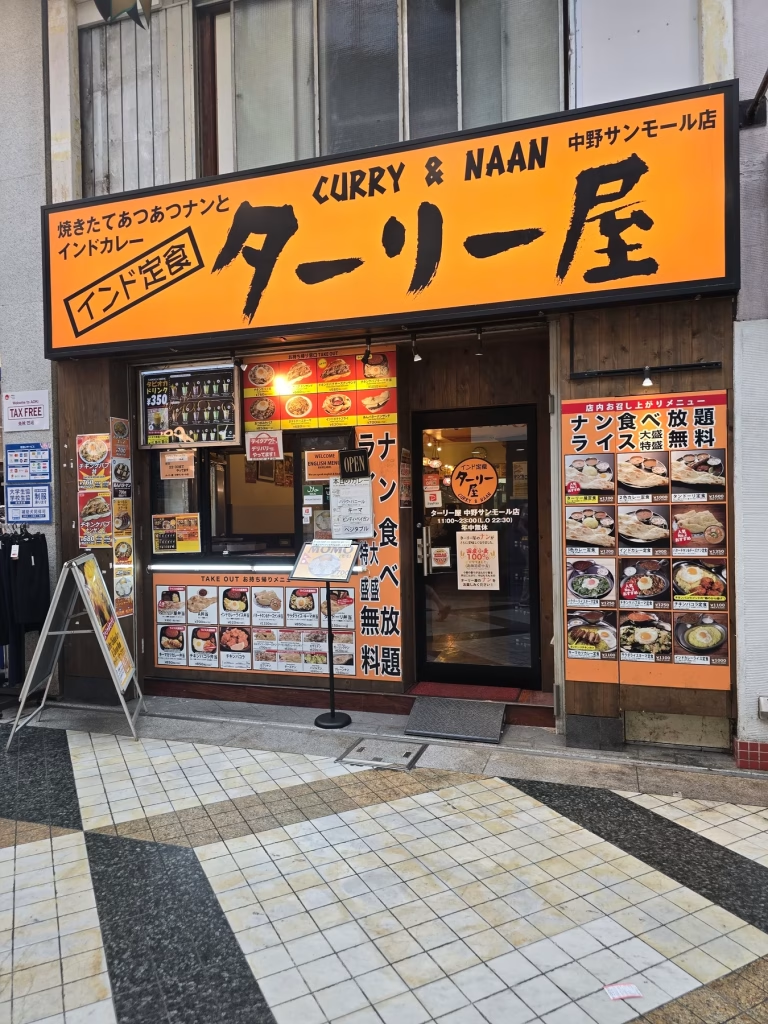
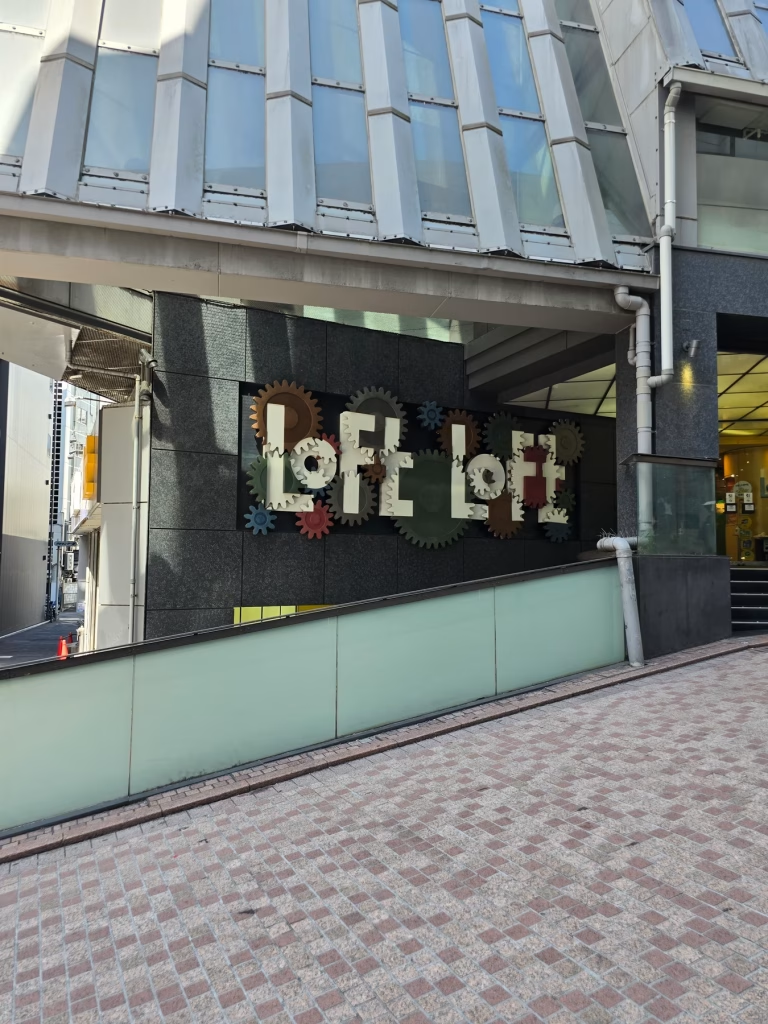
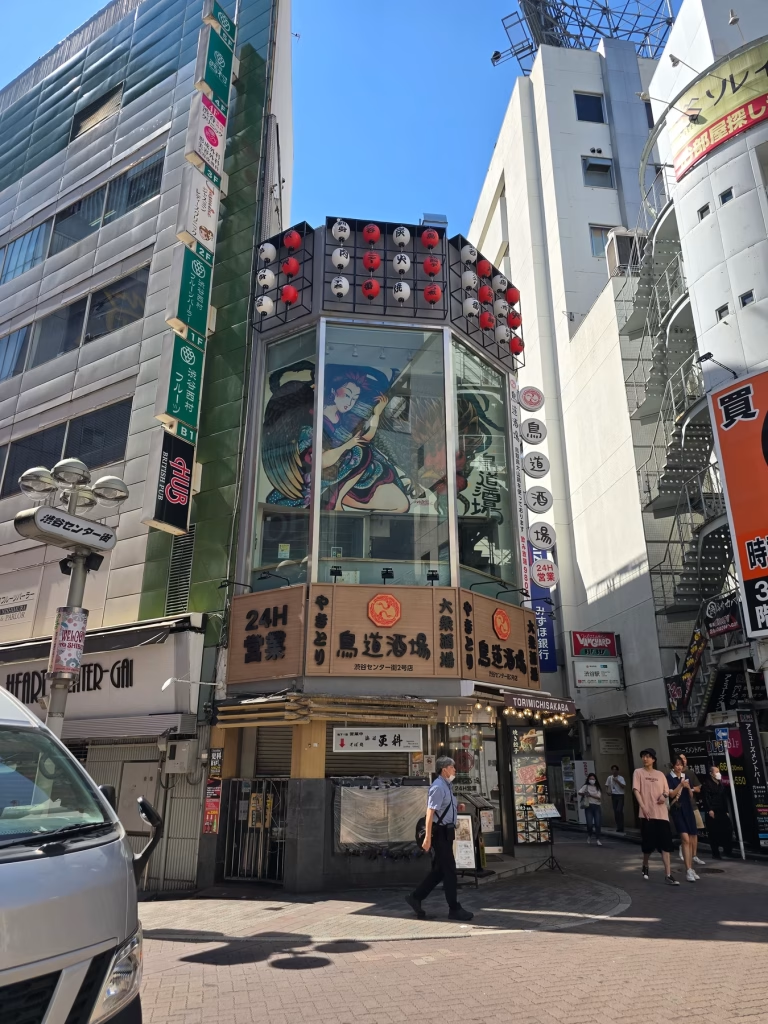
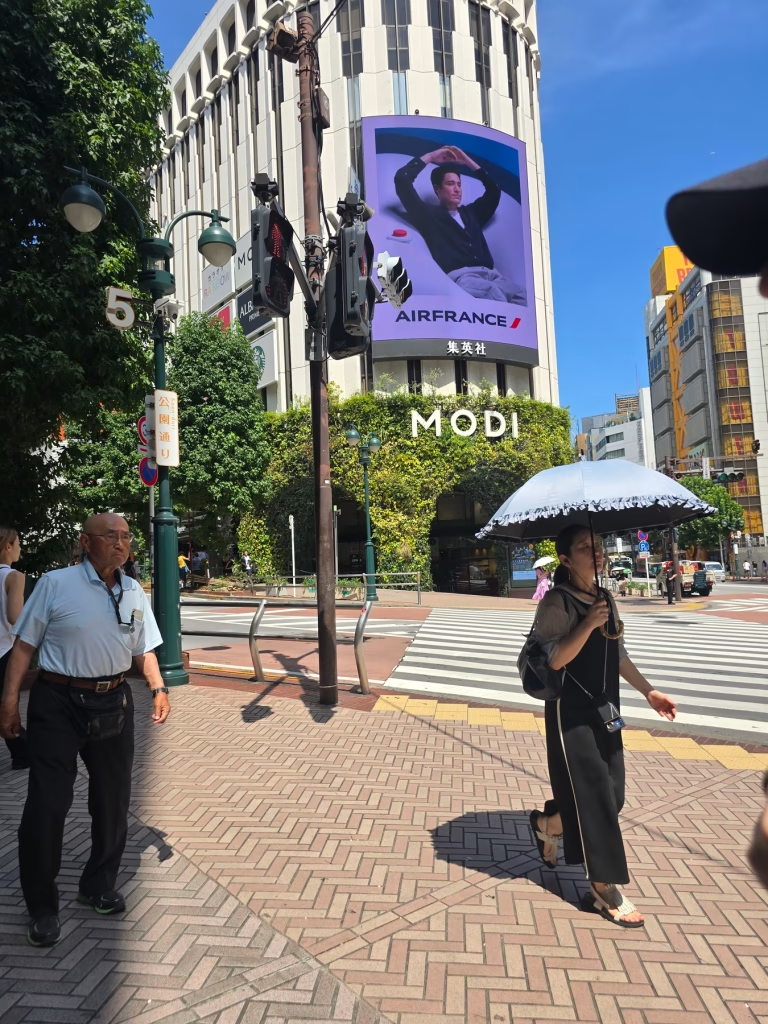
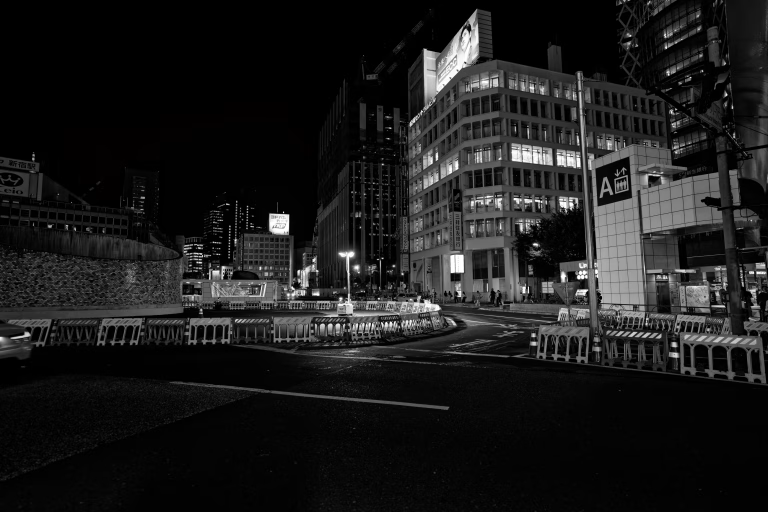
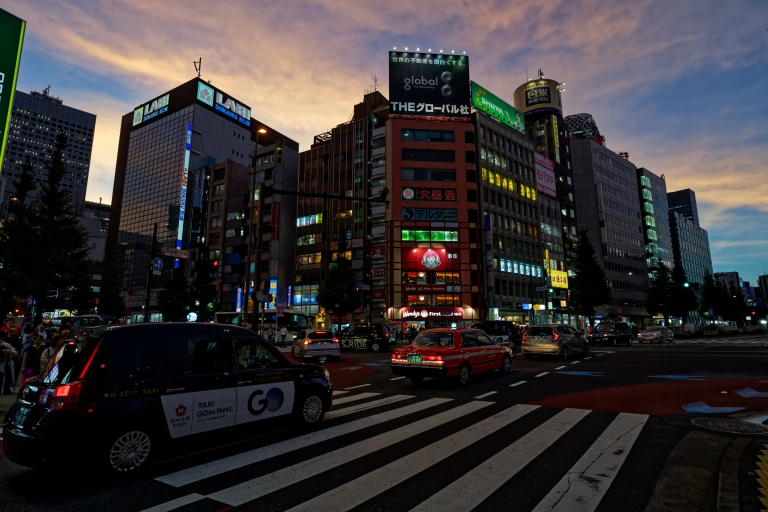
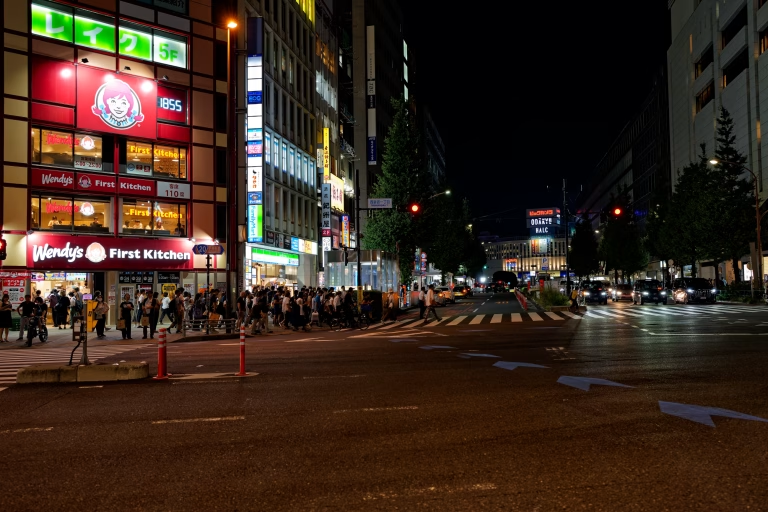
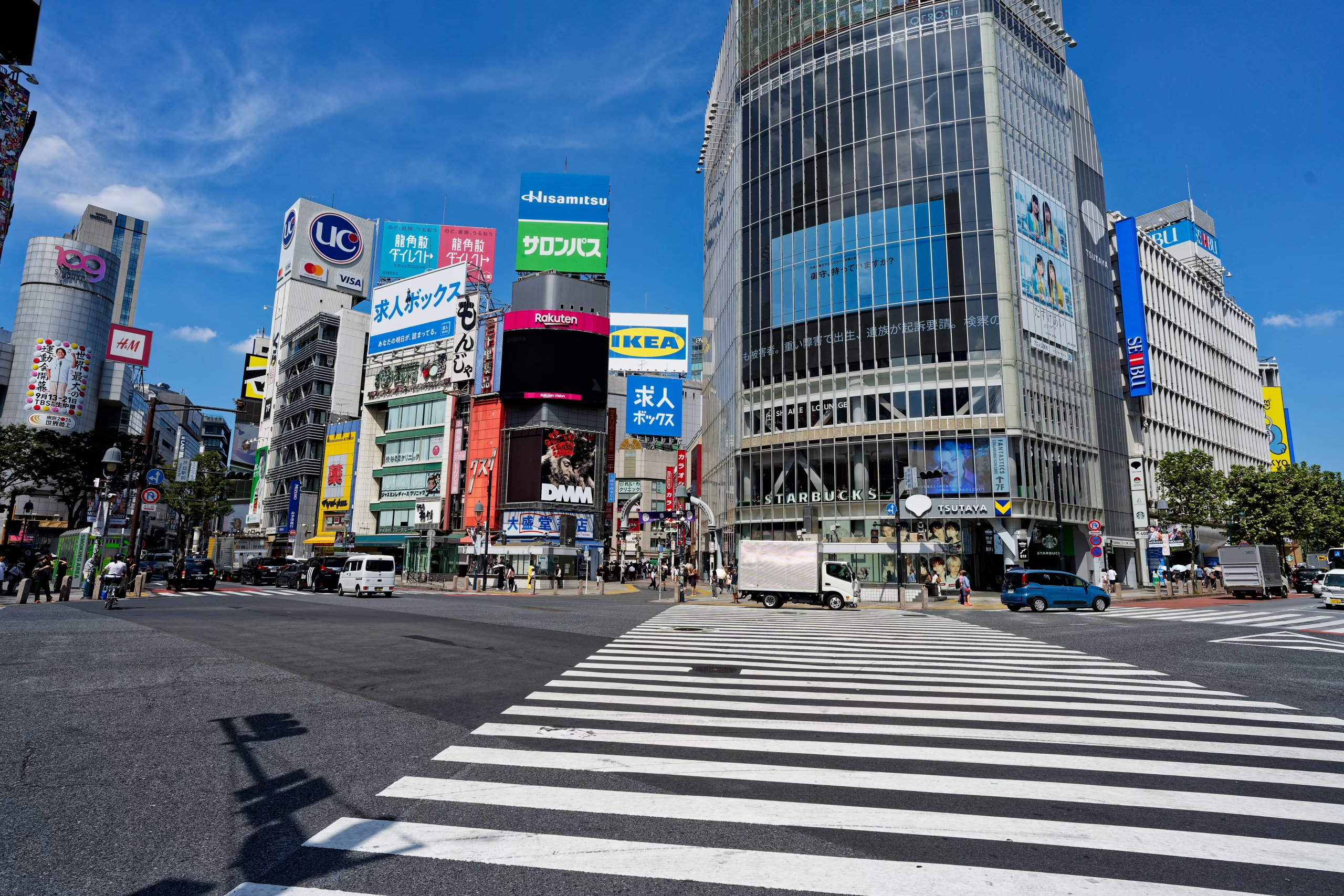
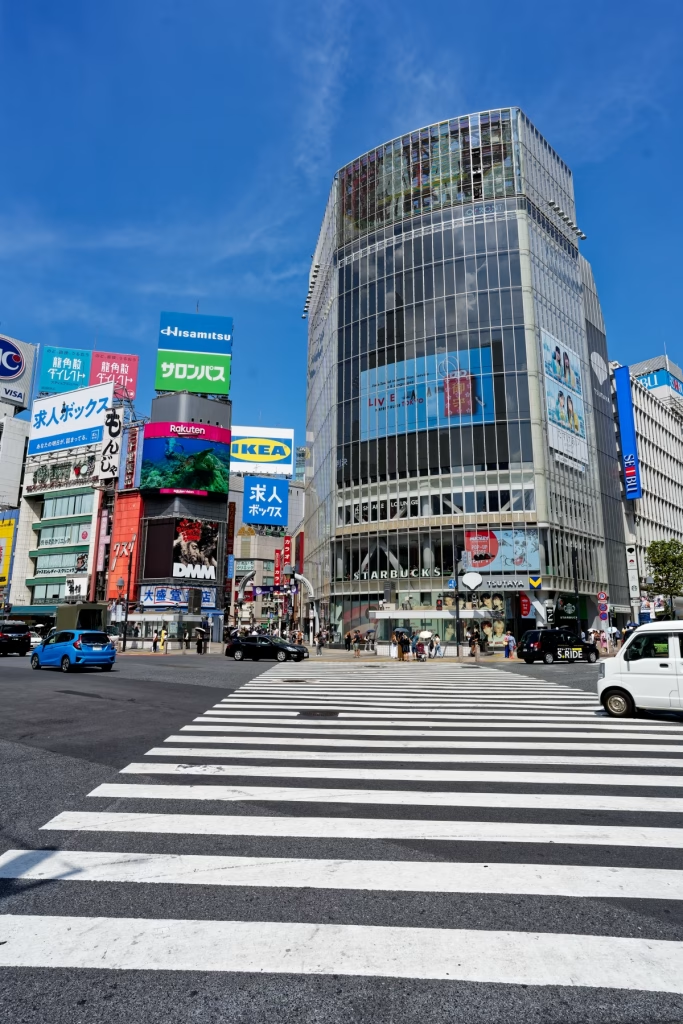
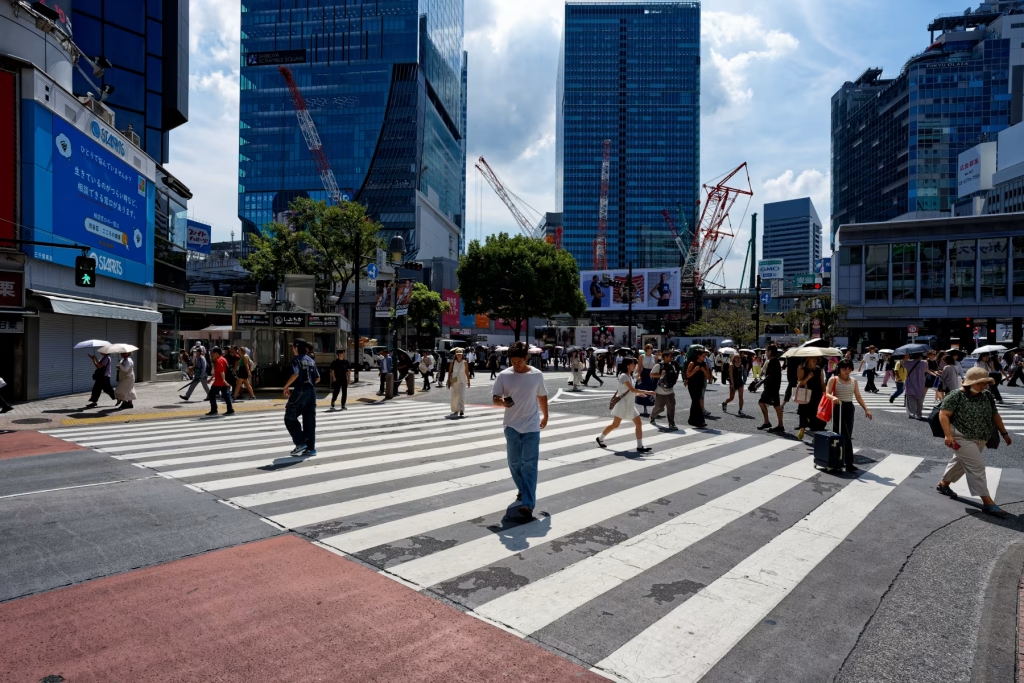
The Shibuya Scramble is iconic. It’s been immortalized in anime, movies, travel blogs, and every influencer’s reel. But at its core, it is…brace yourself…an intersection. A very large, very busy intersection. The magic isn’t the concrete, but in the choreography. The pedestrian lights turn green, the piyo piyo crossing sounds begin and suddenly thousands of people flood in from five directions at once like it’s been rehearsed. No collisions, no yelling, just a quiet flow of people. When we were originally booking hotels, we debated Shinjuku vs. Shibuya. In hindsight, I’m glad we chose Shinjuku. Shibuya feels like shopping, commercial gloss, cafés, and a steady current of tourists. Shinjuku is greasy food, neon, slightly unhinged nightlife, and edgy fashion. Shibuya smiles at you. Shinjuku side-eyes you. I prefer the side-eye.
Sony A7CII | 20mm F1.8 G
Sony A7CII | 20mm F1.8 G
Sony A7CII | 20mm F1.8 G
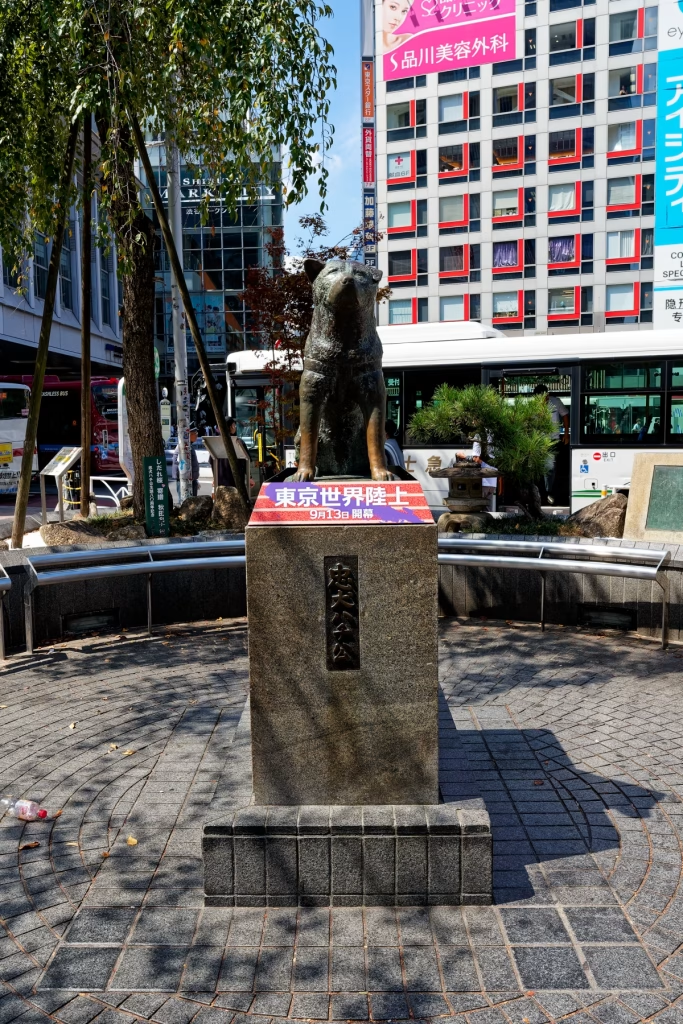
We paid our respects to Hachikō, the eternally good boy who waited at Shibuya Station every day for his owner long after his owner had passed away. There’s a bronze statue outside the station now. It’s a must see, we waited patiently in line and took our photo. Good boy, always.
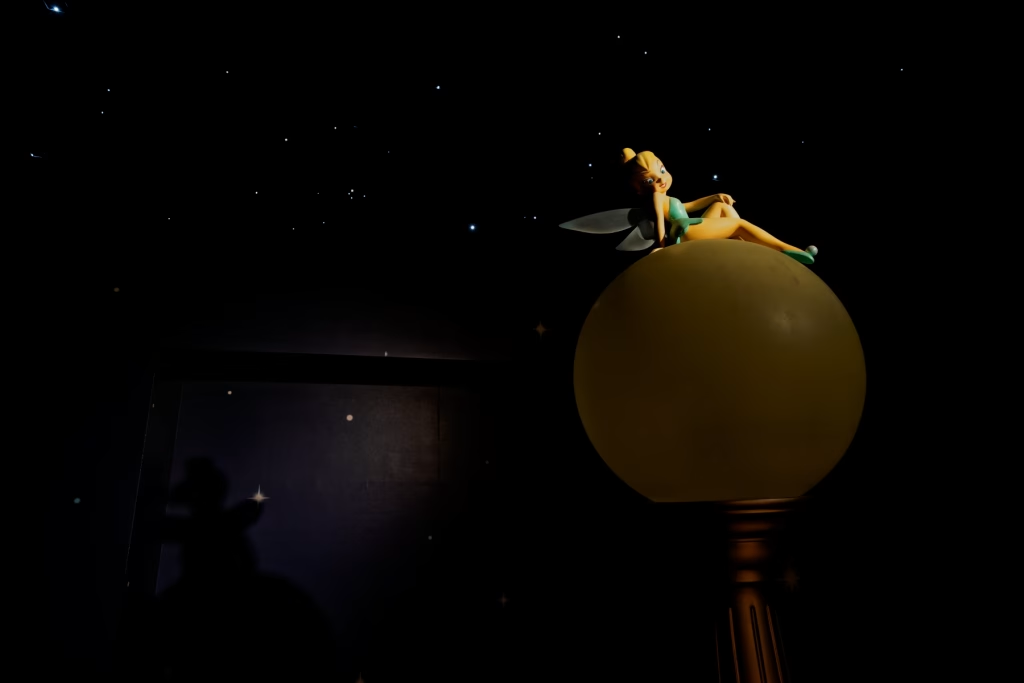
Sony A7CII | 20mm F1.8 G
First official stop: the Disney Store. It was closed.
Is anyone surprised at this point? Of course not. When it finally opened, it was genuinely impressive. A slightly more whimsical, more curated version of its American cousin. It’s where we picked up a Baymax tote that became the MVP of the entire trip. When the Baymax tote bag came out, you know there was some serious financial damage done. As a side note, Baymax is a national hero here, as he should be.
From there, we made our way to Shibuya Parco.
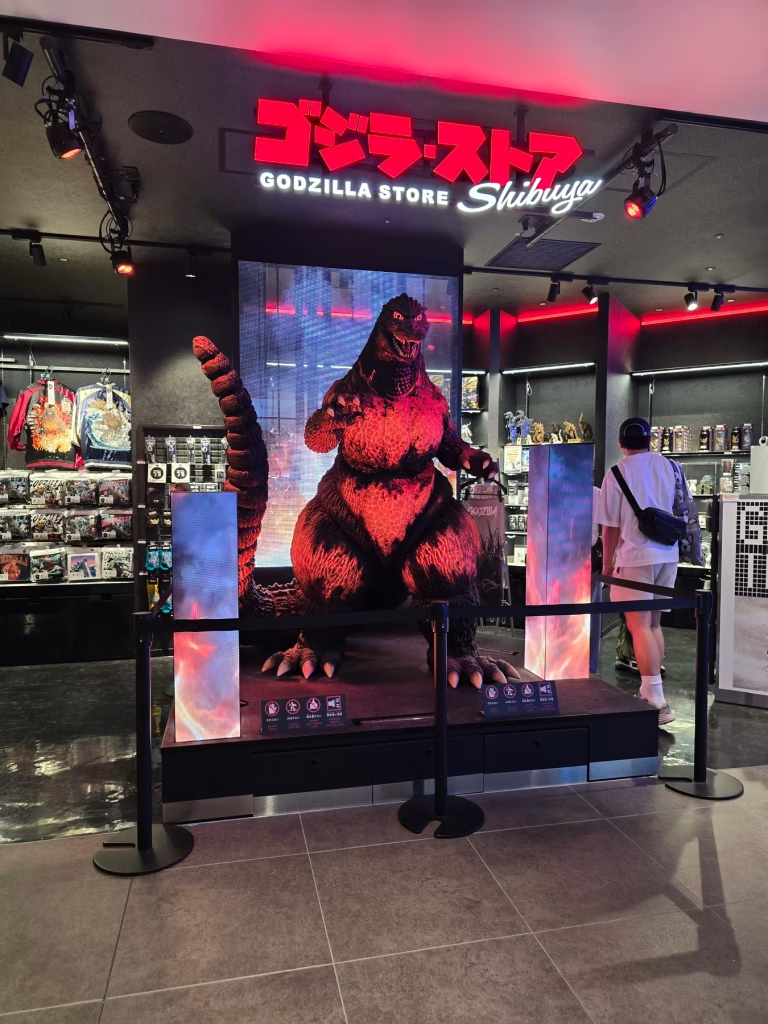
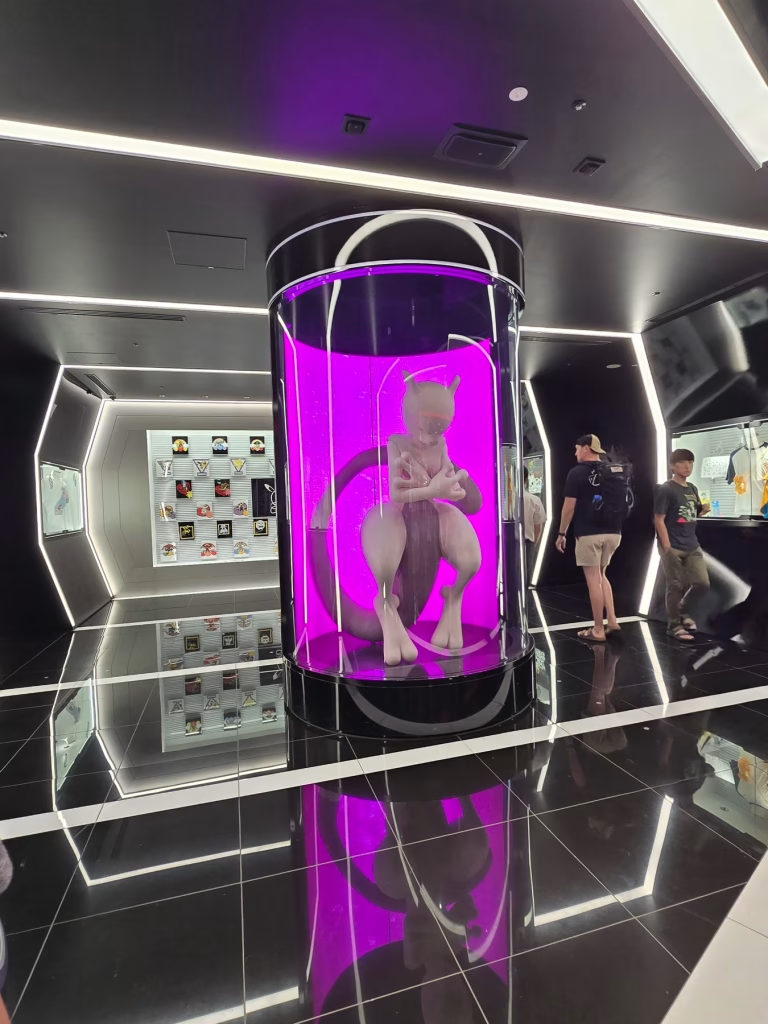
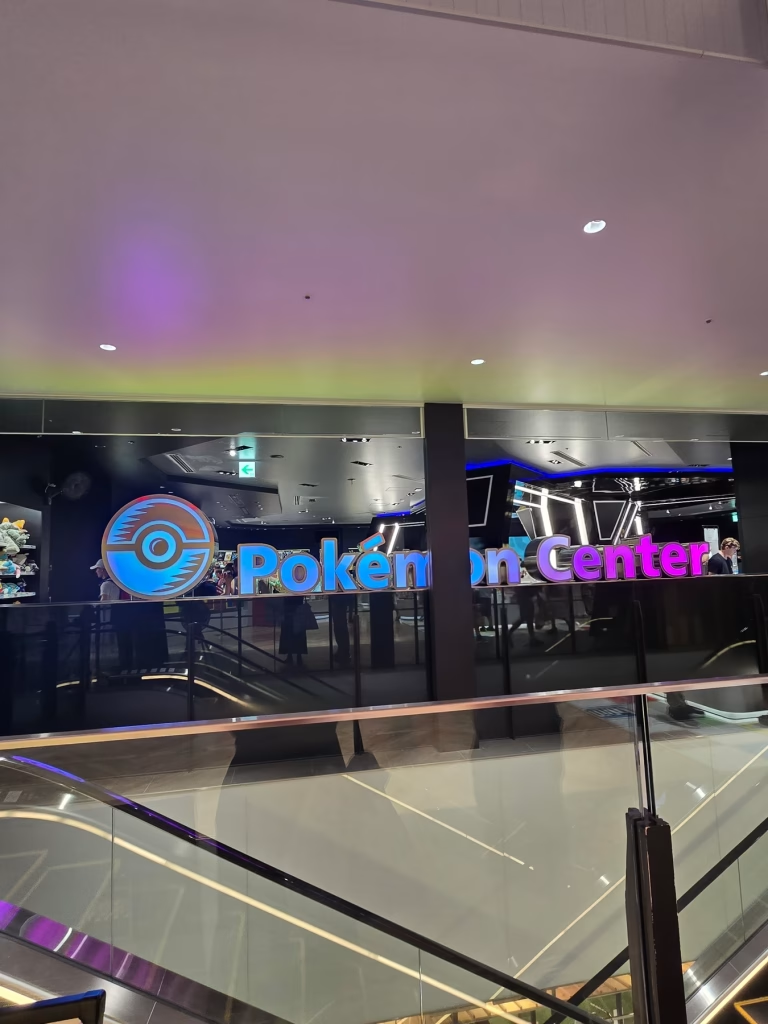
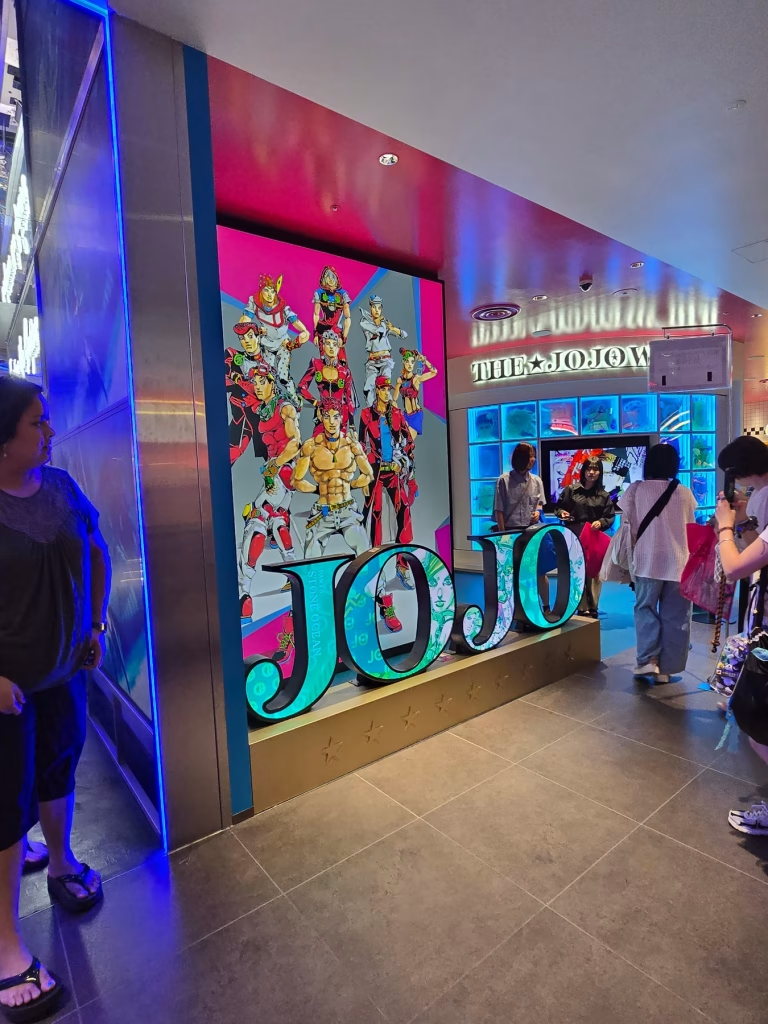
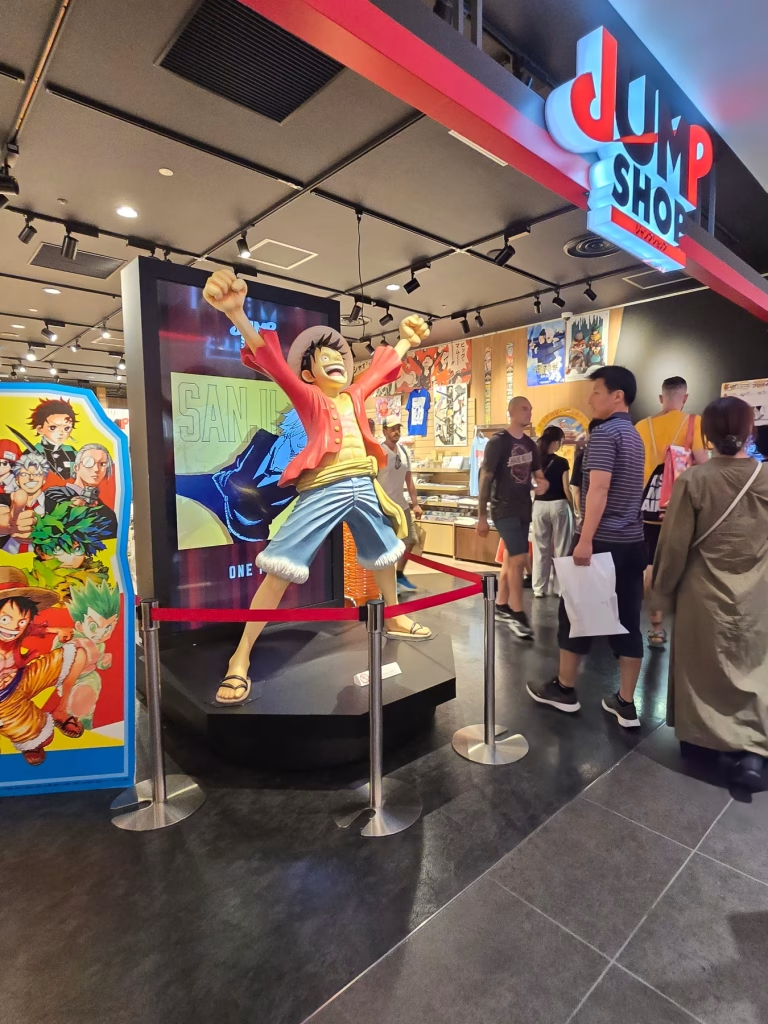
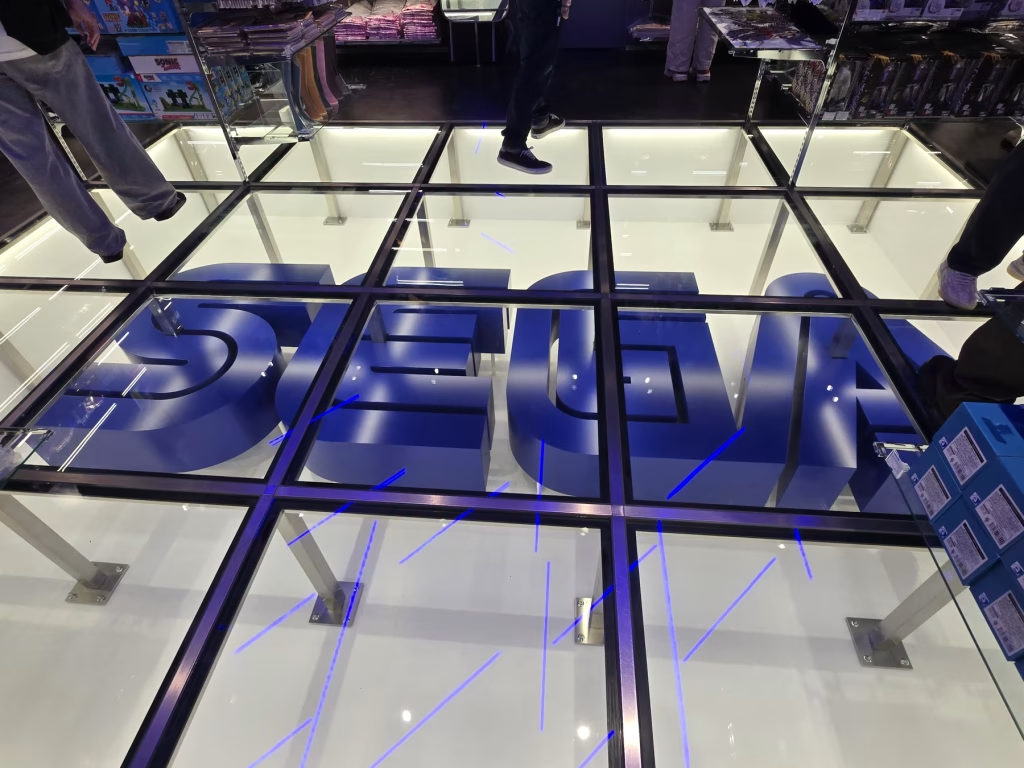
If you have even a mild anime or gaming addiction, Parco is dangerous. It’s less a shopping mall and more a shrine to intellectual property. Pokémon Center first. We happily stood in line for thirty minutes just to purchase merchandise. In Japan, embrace the queue. The queue is life. The queue is order. The queue moves efficiently and without complaint. We stopped by Nintendo Store and Shonen Jump Store, also excellent.
But the real damage occurred at the Sega Store.
I am a massive Atlas fanboy. Persona. Shin Megami Tensei. Metaphor: ReFantazio. Unicorn Overlord. I found more Persona and Metaphor merch than I had money for. It was tough to say no to anything, but I did my best.
Gambatte.
Kristen, who understands my weaknesses better than I do, convinced me to buy blind boxes for Persona 3. I am not a blind box person. I do not trust randomness. There were six possible characters. I bought six boxes because apparently I believe in tempting fate. Later at lunch, we opened them. One by one.
Aigis.
Fuuka.
Yukari.
Junpei.
Mitsuru.
Akihiko.
Six blind boxes. Six different characters. Perfect set, no duplicates. Statistically low odds.
Thank you once again, Hasedera.
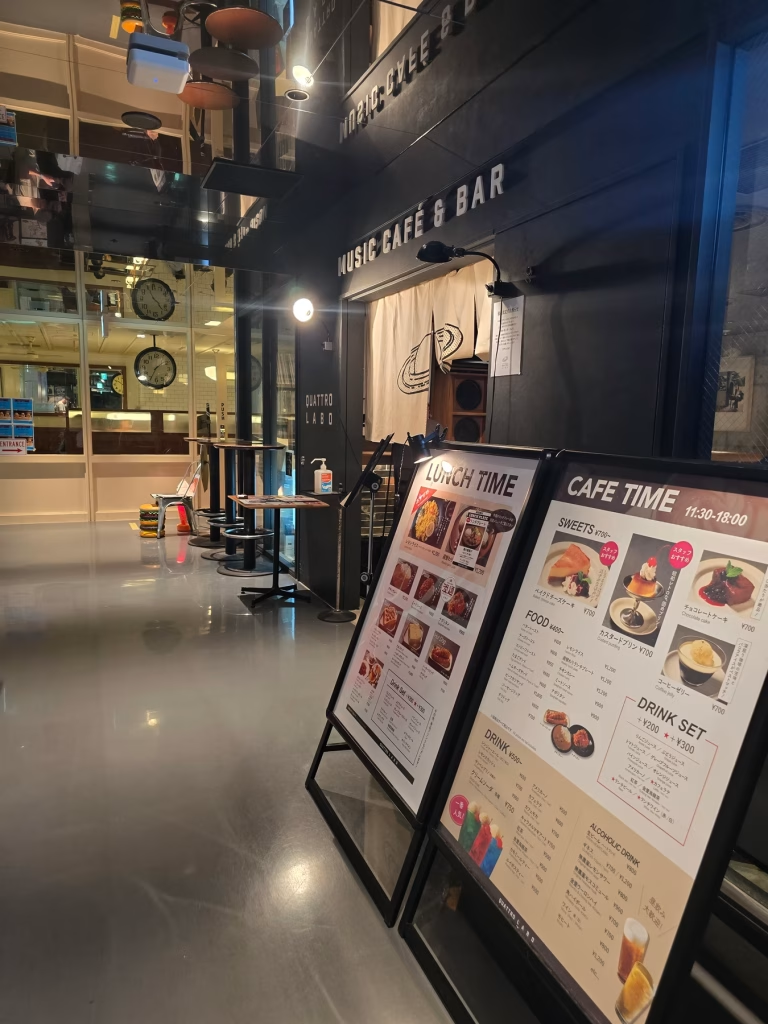
At this point, hunger was creeping in hard. We descended to the basement level of Parco in search of food and found something that makes American mall food courts pale in comparison. This was a completely different vibe, instead of food court, it was more upscale restaurants coexisting. We chose a smaller spot playing jazz on vinyl through Sansui bookshelf speakers. Yes, vinyl. Yes, Sansui. We ordered chicken curry and a karaage meal set. Both of us fed for under $17 USD total. At home, that same meal would easily run $50–60 and come with none of the atmosphere. No vinyl. No polite staff. No anime merch two floors up.
We sat. We ate. We absorbed the atmosphere.
The loot drops had been generous. The curry was rich and the karaage was crispy. The exhaustion lessened, our social meters refilled and we recharged.
Ne, Nakano, and the Romancecar that isn’t
This is the part where I’m supposed to say we should have explored more. We should have dug deeper, found the hidden cafés, the secret vinyl bars and the rooftop shrine no one talks about.
We didn’t and I’m okay with that.
Because if we did everything now, what would 2026 hold? Leave some meat on the bone. Shibuya Part 2 is inevitable. We were trying to cram a lifetime into each day and at that point in the trip, we had no idea what would stick and what would fade. We were still collecting data, running experiments, seeing what lit us up and what felt like a wash.
So when the shopping bags were full and the curry had settled, we pivoted. Next stop: Nakano Broadway.
If Akihabara is the flashy, TikTok-ready anime district, Nakano is its quieter, slightly unhinged older cousin. Built in the 1960s as a luxury shopping complex, it slowly evolved into a dense hive of secondhand manga shops, figure resellers, specialty collectors’ stalls, and Mandarake branches that feel like academic libraries for otaku. To get there, we navigated the Shinjuku Line, transferred to the Chūō Line and again did it without incident.
This was around the time I started getting into a rhythm with writing, taking notes throughout the day and compiling them on the trains. There’s a strange side effect to typing on your phone in Japan. You become hyper-aware of your surroundings. Not because you’re productive, but because your crippling anxiety refuses to let you miss your stop. Every station chime feels like the one. Every announcement sounds like it might contain your doom. It was during one of these train rides that something clicked while listening to the low conversations around me.
“Ne.”
Ne is a linguistic golden wildcard. It sits at the end of sentences like a soft question mark. It can mean “right?” or “isn’t it?” or “you know?” or “we’re on the same page, yes?” It’s not aggressive. It’s connective.
A: Atsui desu ne.
It’s hot, isn’t it?
B: Sou desu ne.
It is, isn’t it.
And then there’s the layered version. Sou desu neee? The drawn-out, curious one. The contemplative ne. The slightly doubtful ne. The enthusiastic ne. Ne ne ne, like a gentle insistence. Keep going. I’m listening. Confirm with me. Share the moment. The Japanese are masters at saying much without actually saying much. Nods. Soft “nnn.” A string of “so so so so” murmured like seasoning. Agreement without confrontation and conversation without dominance. I started noticing it everywhere. On the train. In shops. In restaurants. Entire exchanges built on tone and rhythm rather than vocabulary. Communication here is often collaborative, not combative. It’s a dance, a shared understanding.
Then we arrived at Nakano.
Nakano Broadway was everything I expected Akihabara to be. Not that Akihabara disappointed. It absolutely didn’t. Akiba will always have a special place in my heart. But Nakano had fewer tourists. Piles and piles of anime merch. Vintage figures. Out-of-print art books. Entire stores dedicated to one franchise. Gachapon prizes individually wrapped to complete your sets. Rare items tucked into glass cases. Mandarake branches organized by genre like sacred archives.
We bought a lot.
I will not disclose the total. I will simply say it was impressive. You may decide what “impressive” means in your own financial context. In relative terms, though, we paid a fraction of what some of these items would cost back home. It felt less like spending and more like strategic acquisition. Japan takes immaculate care of used goods. Figures labeled “pre-owned” looked untouched, boxes pristine with manuals intact.
That’s how I justified it, anyway.
Hours disappeared in there under the fluorescent hum. The quiet concentration of other shoppers and the thrill of spotting something rare. By the time we emerged, we had that specific post-hunt fatigue that only comes from intense browsing.
We returned to the hotel to dump trash, reorganize bags, and figure out dinner. Our hotel elevator required a keycard tap before it would allow you to ascend. Very secure. Very efficient. We stepped inside, tapped…nothing. Tapped again. Nothing.
Why are we not moving?
Because a credit card is not a room key. The elevator was not in the mood to accept our payment. Jet lag was still present and lurking, there might still be a bit of monster left.
A large portion of the evening was then dedicated to securing our tickets for the Romancecar. Despite the name, the Romancecar is not particularly romantic. It’s a limited express train operated by Odakyu that runs from Shinjuku to Hakone. Big windows and assigned seats, slightly fancier than your standard commuter train. It’s efficient, comfortable, and absolutely not a candlelit dinner on rails. Hakone awaited us tomorrow. Cable cars. A pirate ship across Lake Ashi. Buses. Switchbacks. A full transportation gauntlet.
Also: a typhoon.
We had been tracking the weather since we arrived. There was a developing storm system that might clip our region sometime this week. The forecast suggested Hakone would be… wet. We shrugged, it’s not fun if it’s not an adventure. With tickets secured and calmer minds, we then realized we had put exactly zero thought into dinner.
Back to Omoide Yokocho. Yes, again.
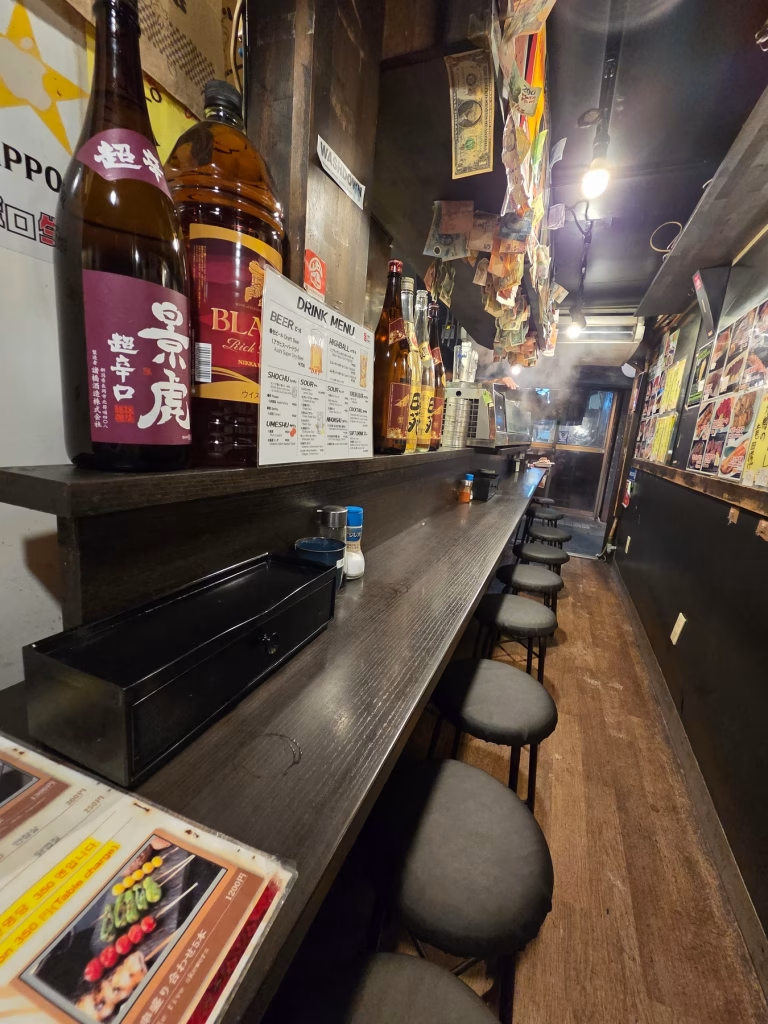
Creatures of habit. We ended up at the exact same stall we’d eaten at two nights earlier. There were rumors, unverified, possibly slanderous, of a cockroach sighting. I maintain this was fake news because I doubt we would have calmly ordered the delicious food if that had been confirmed. The food was once again incredible. The drink was once again stronger than expected. And by the time we wrapped up, my watch informed me we had crossed 22,000 steps. Exhausted. Overstimulated. Victorious. Slightly concerned about tropical weather systems. We made it back to the hotel, collapsed into bed, and accepted that somehow, impossibly, we were only on Day 4.
Ne?