At-Home Cafe
If I had to guess, I’d say that outside of Japan most people only know what a maid café is through anime, internet jokes, or some form of secondhand cringe. It’s usually filed under things-that-are-not-for-me, lumped in with stereotypes and misunderstandings. And honestly, before doing any real research, that’s roughly where I had it filed too.
But when you actually start digging into Japan travel guides, maid cafés keep showing up. Not ironically. Not as a warning. As a genuine, repeated recommendation. A “must-do.” So eventually we looked at each other and said, eh, why not. Curiosity won.
Maid cafés originated in Akihabara in the early 2000s alongside the rise of otaku culture. The concept borrows heavily from cosplay and themed service, but the goal isn’t anything sleazy. It’s escapism. The café is framed as “home,” the guest is welcomed back rather than served, and the servers, dressed as Victorian-style maids play exaggeratedly sweet, polite characters. It’s theater. Think themed dining experience with rules, rituals, and a heavy dose of kawaii.
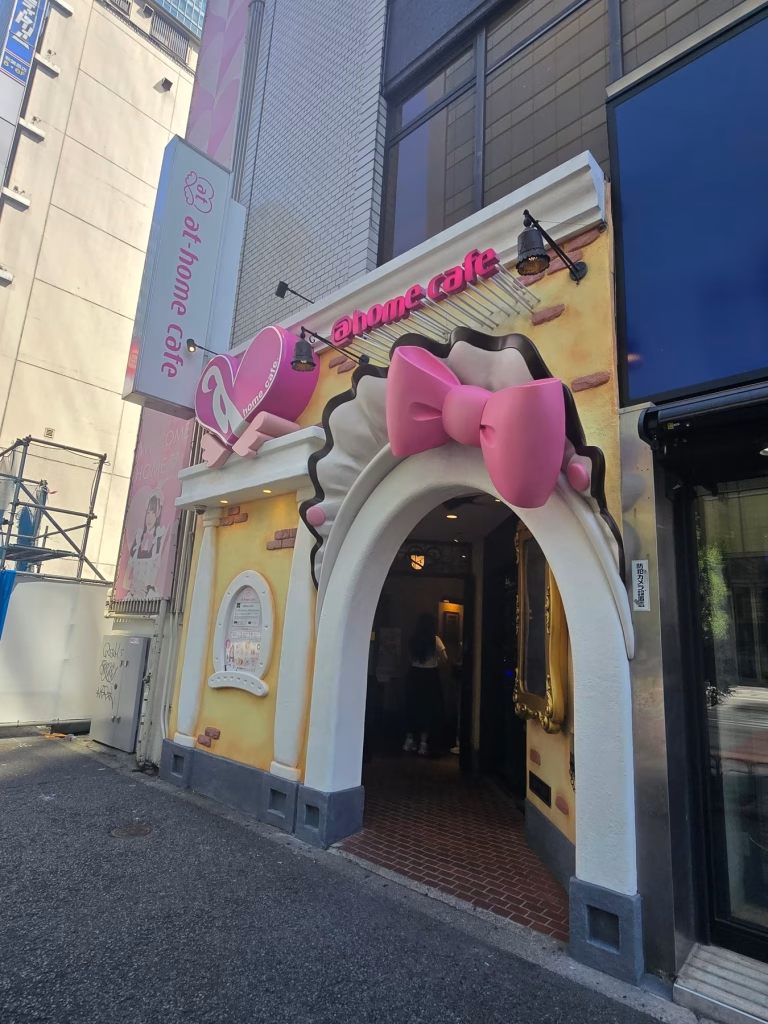
We chose At-Home Café, one of the largest and most well-known chains in Akihabara, alongside maidreamin. This was actually our first advanced reservation of the trip outside of flights and hotels. In hindsight, that feels absurd. Even more absurd is how cheap it was. We booked an advance package for ¥9,300 total, about $59 USD for both of us. That included priority admission, a drink, a choice of either food or dessert, a cheki (an Instax photo signed by your maid), and an aggressive amount of cuteness.
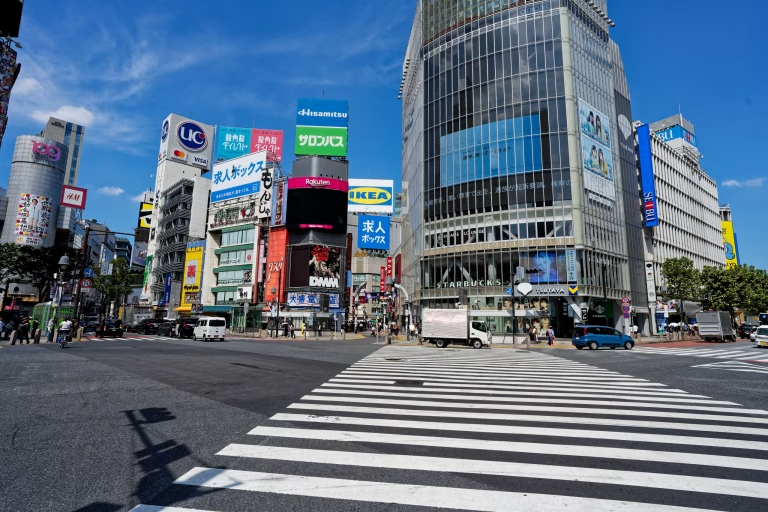
We arrived in Akihabara around 10 AM for our 11:30 reservation, assuming we’d wander shops beforehand. This is when Japan gently teaches you that nothing opens before 11. Nothing. Shops were closed. Shutters down. Lights off. We wandered, admired security gates, checked out immaculate bathrooms, and exchanged knowing nods with other tourists discovering the same inconvenient truth. Eventually we defaulted to our core competency: gachapon and crane games, bleeding ¥100 coins one pull at a time.
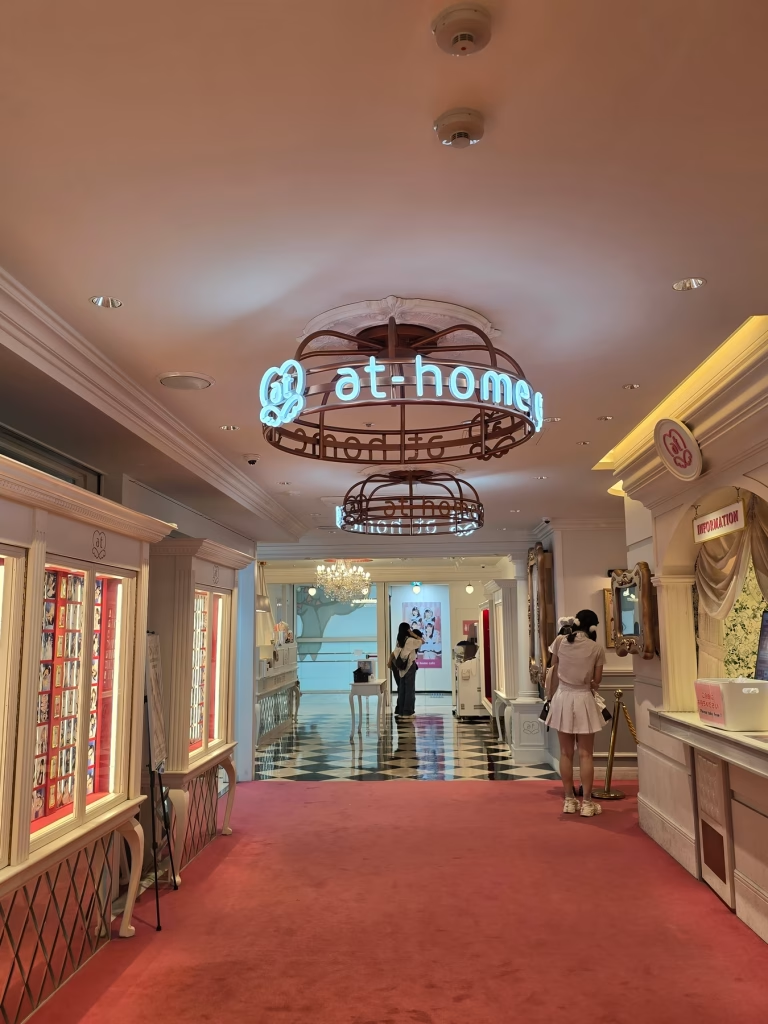
When it was finally time, we headed to the Akiba Culture Center, took the elevator to the fifth floor, and were immediately blinded by pink. The aesthetic does not ease you in. It commits. We were greeted instantly by smiling maids, warned to watch our step, and enthusiastically welcomed with “Okaerinasaimase, goshujinsama, ojousama.” Welcome home, Master and Princess.
Kristen and I are not public-attention people, especially not in a foreign country, but thankfully it was early and relatively quiet. We quietly slunk into our seats as discreetly as possible. Our waitress spoke excellent English and was genuinely excited to hear we were from the U.S. Her dream was to be a Broadway actress, and when Kristen mentioned how many shows she’d seen, this turned into a full conversation about theater, which felt surreal this far from home.
When it came time to choose who we wanted our photo with, we picked her without hesitation. She seemed genuinely flattered. It was only later that we learned about the internal hierarchy. A-tier maids. B-tier maids. Trading cards. Yes, trading cards. A man came in later carrying a binder full of them, chatting comfortably, laughing, adding new cards to his collection like a seasoned regular. Entire subcultures exist within this space. I will not pretend to fully understand them.
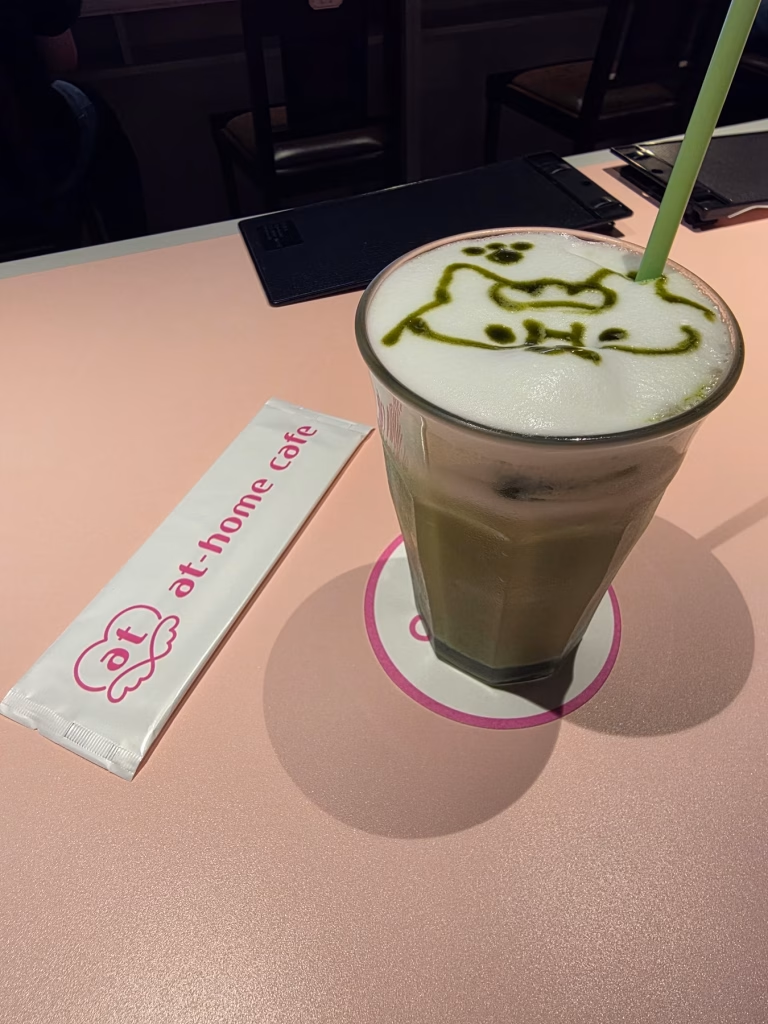
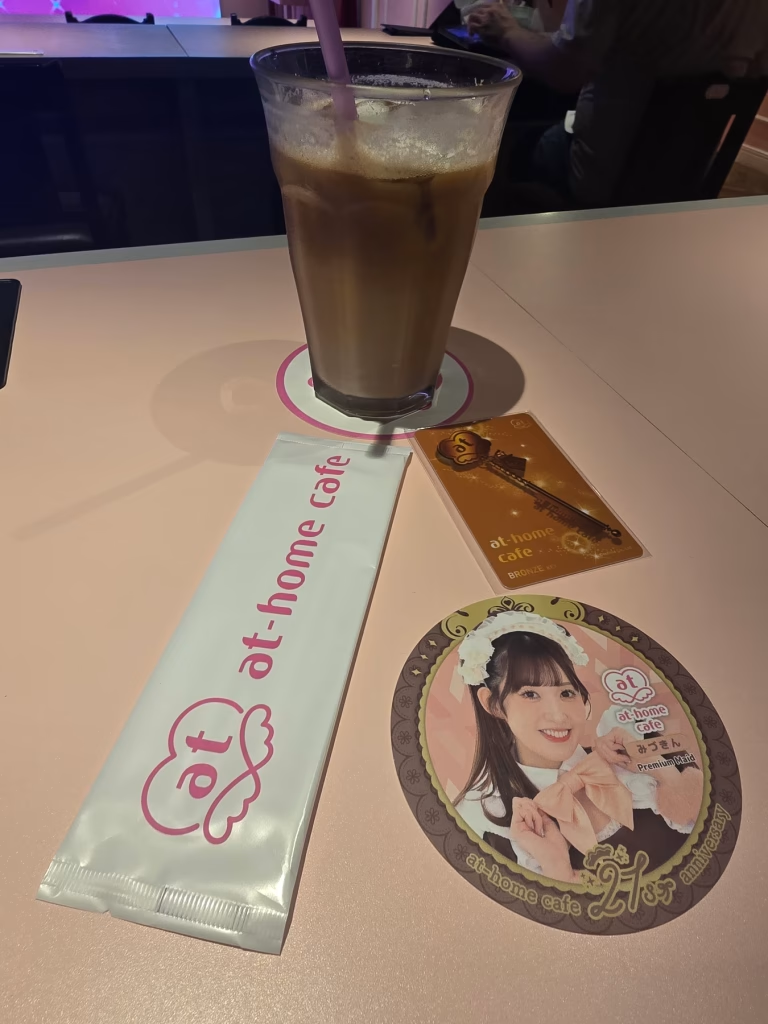
The menu boiled down to omurice or parfaits. We were hungry, so omurice it was, though the parfaits were massive and beautiful and briefly tested our resolve. Drinks arrived first. I ordered an iced matcha, Kristen a latte. A second maid appeared to do foam art. I think mine was a cat, but it lost structural integrity before I could document it.
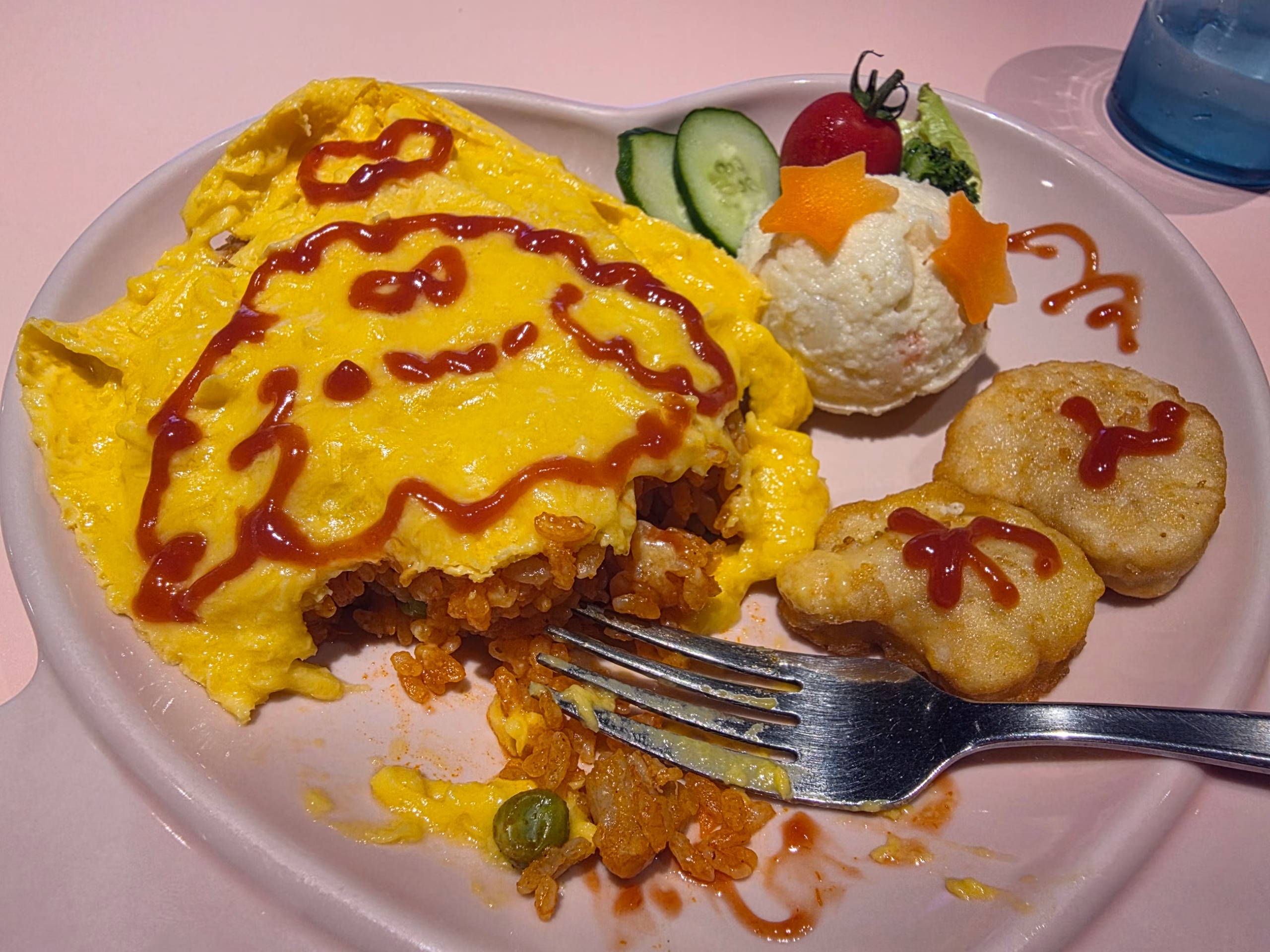
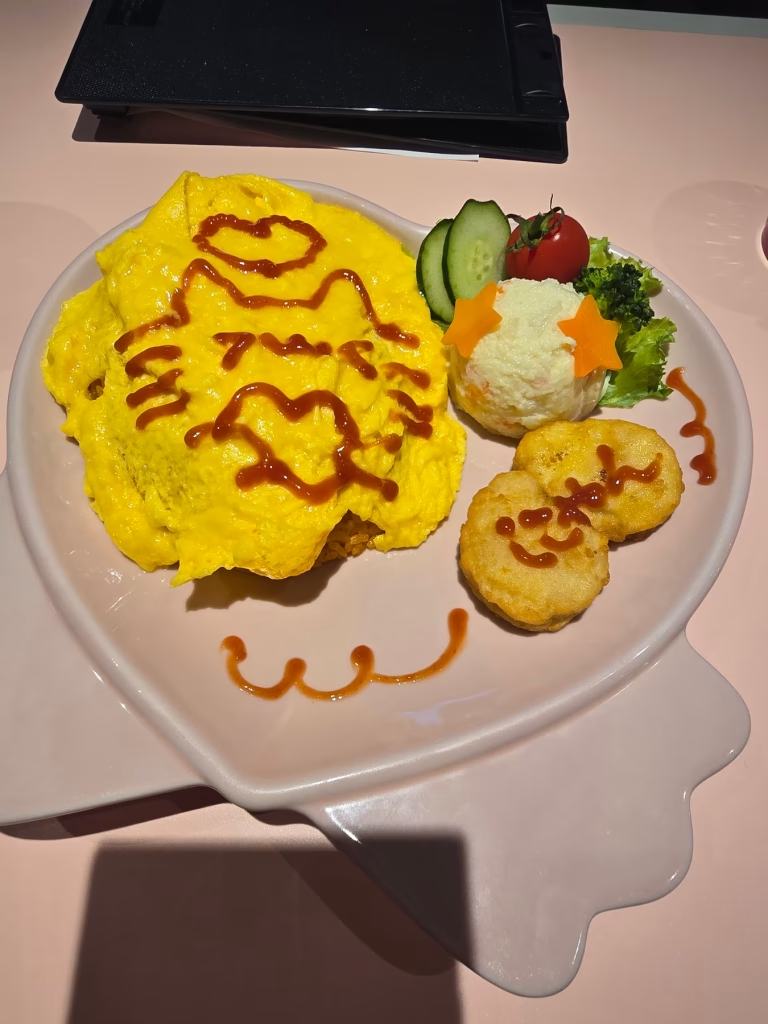
Then came the food. Another maid arrived to perform ketchup art on the omurice and, naturally, led us in chanting “Moe moe kyun!” several times. Allegedly this makes the food more delicious. Science has not disproven this. The food was genuinely good.
We were eventually called up to the small stage to take our photo. We received our cheki in a cute frame, signed and decorated, along with a card key inviting us to return and proving that we had, officially, come “home.” There exists a photo of me doing a heart with my hands next to a maid. It will never appear online. That is a promise. The whole experience was cute, strange, theatrical, and surprisingly wholesome. A little awkward, yes, but in a way that feels oddly charming.
My only real regret is not taking more photos. You’re allowed to photograph everything except the maids themselves, which is completely understandable. But it was our first real day in Japan, my brain was still rebooting, and I chose to be present instead of thorough. Because of that, I don’t have many photos from the first few days, and the ones I do have are… fine. But honestly, that tracks. Sometimes the best moments don’t photograph well. They just sit with you, quietly, long after the pink fades.