Kotoku-In: The Audacity of Bronze
There is something mildly offensive about how calm he is.
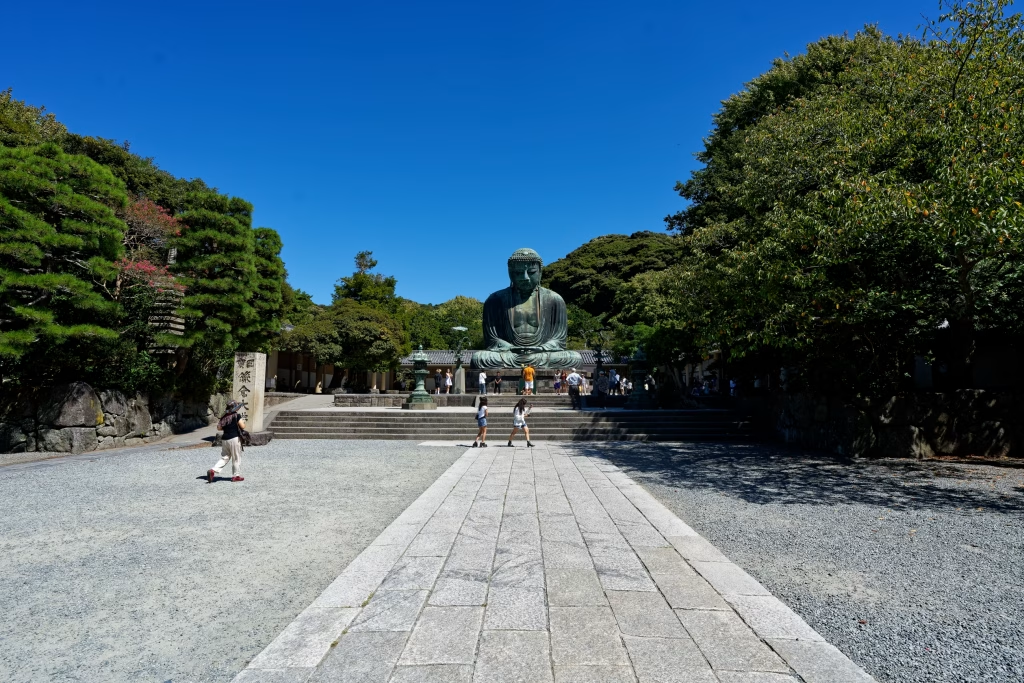
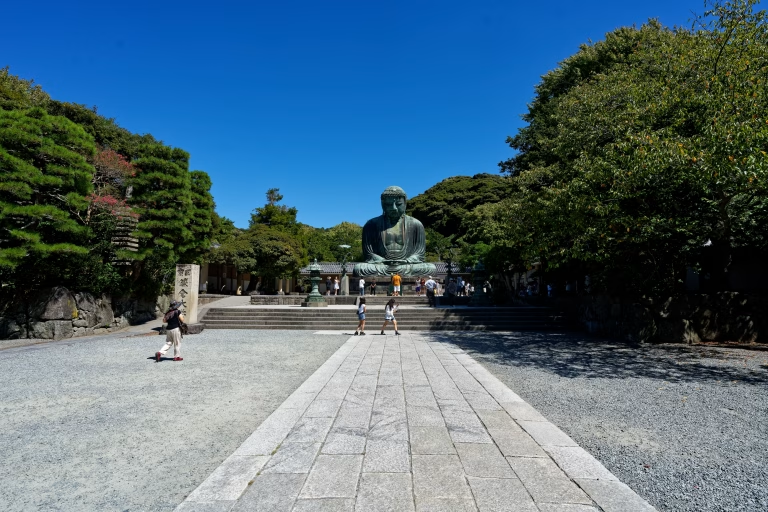
You turn a corner in Kamakura, follow a polite procession of umbrella wielding tourists, pass through the gate, and there he is. Just… sitting. Fully exposed to the elements like he has nothing to prove and nowhere to be. The Great Buddha of Kamakura, formally housed at Kotoku-in, has been doing this since 1252. That is not a typo. While empires have collapsed, currencies have inflated, and I have changed camera systems six times, he has remained planted on a stone platform in the open air, hands folded in meditation, wearing the faintest suggestion of a smirk.
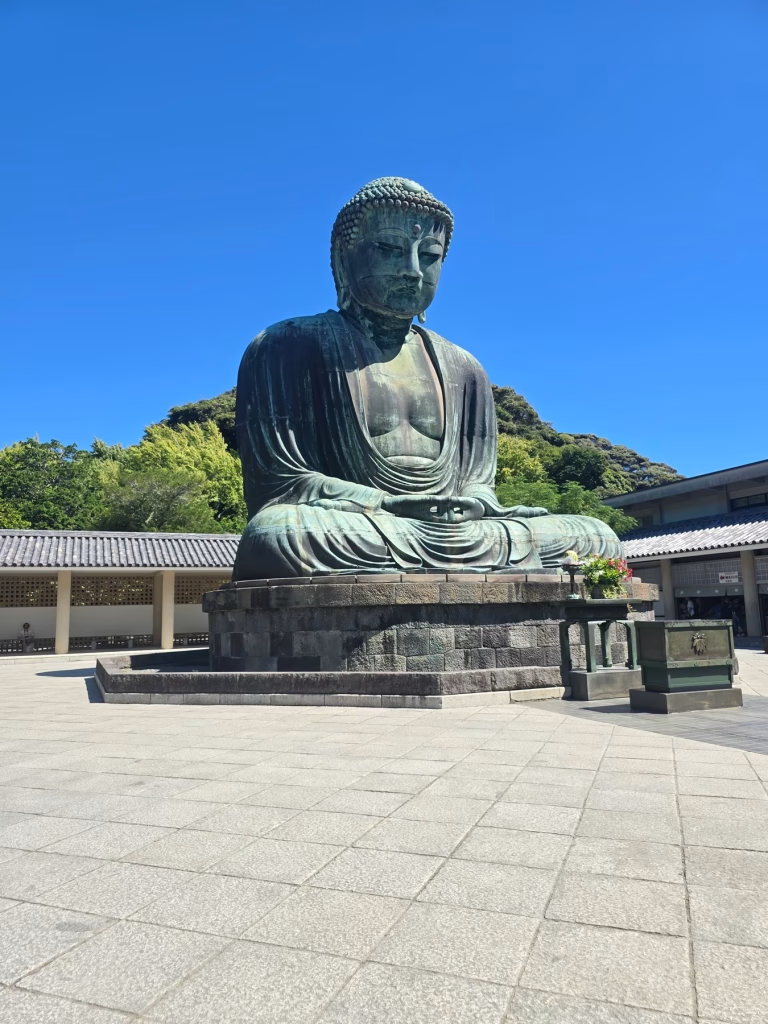
Officially, he represents Amida Buddha, the Buddha of Infinite Light, central to Pure Land Buddhism. Unofficially, he looks like he knows something we don’t.
A Brief History of “We’ll Just Leave It Outside”
The statue was originally cast in bronze in 1252 during the Kamakura period, a time when samurai rule was solidifying and the aesthetic leaned heavily toward restrained power. Before this bronze version, there was a wooden statue. That one did not survive, wood and Japan’s weather have a complicated relationship.
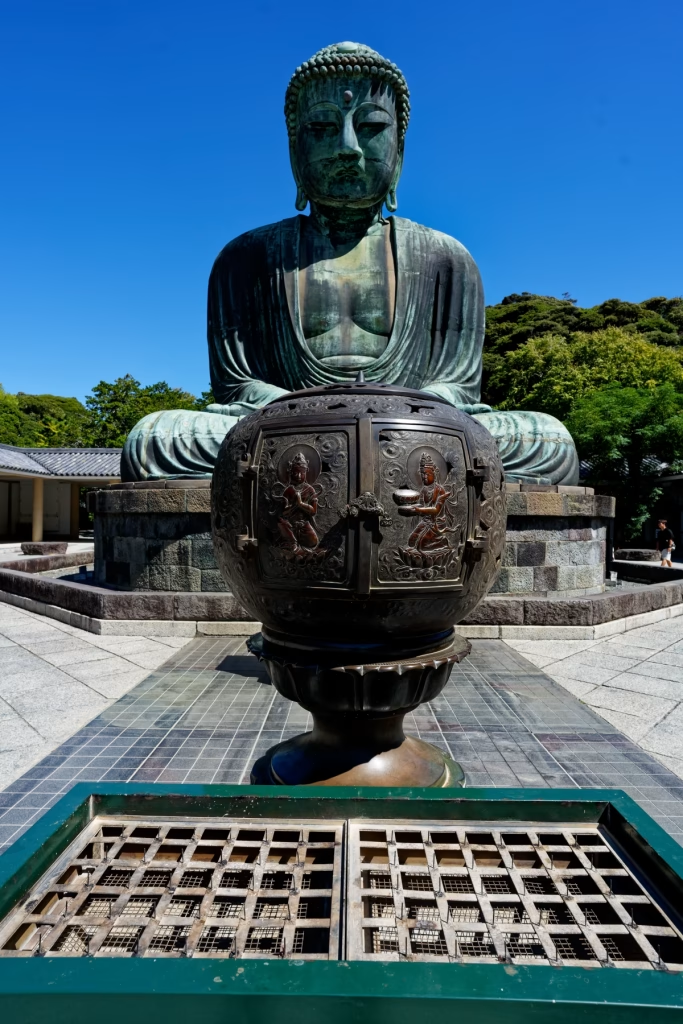
The bronze Daibutsu was once housed inside a grand hall. That hall, in true medieval Japanese fashion, was destroyed by storms. Rebuilt. Destroyed again. Rebuilt again. Then in 1498, a massive tsunami rolled in and flattened the hall for good.
The Buddha remained.
At some point the people of Kamakura collectively shrugged and decided perhaps a roof was more of a suggestion than a necessity. Since the late 15th century, the statue has sat outdoors, absorbing typhoons, snow, humidity, and millions of camera shutters with the patience of something that has opted out of earthly drama.
He stands roughly 44 feet tall, weighs around 121 tons, and is made of multiple bronze plates cast separately and joined together. When you walk around him, you can see the seams if you look closely. There’s something reassuring about that. Even icons are assembled piece by piece.
And yes, you can go inside him.
For a small fee, visitors can step into the hollow interior of the statue and examine the casting techniques from within. It’s less mystical than you might imagine. Dim light. Bronze ribs. The quiet moment of realization that enlightenment, structurally speaking, is supported by careful engineering. As someone who appreciates good construction and good process, I respect that.
The Grounds: Minimalism Before It Was Trendy
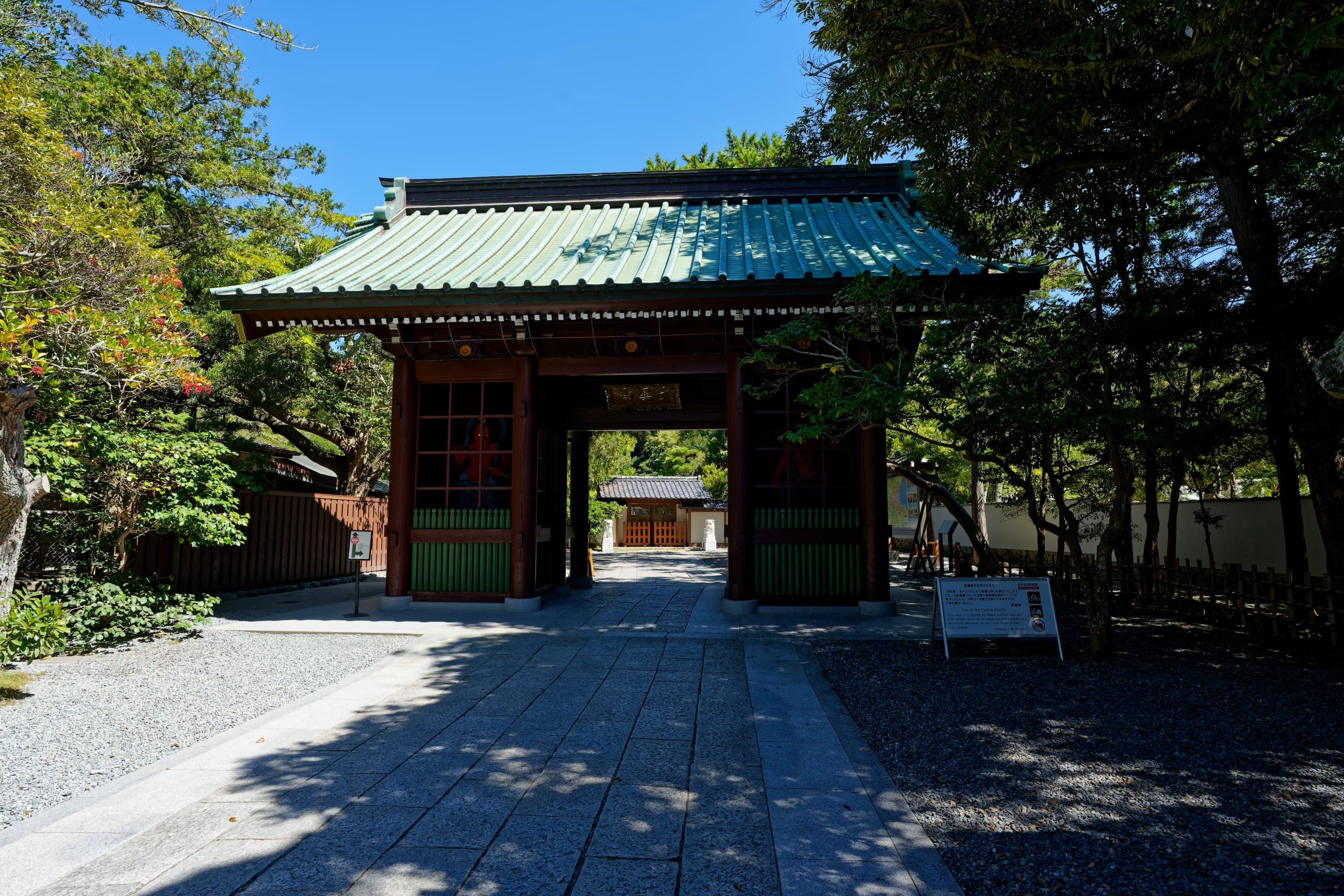
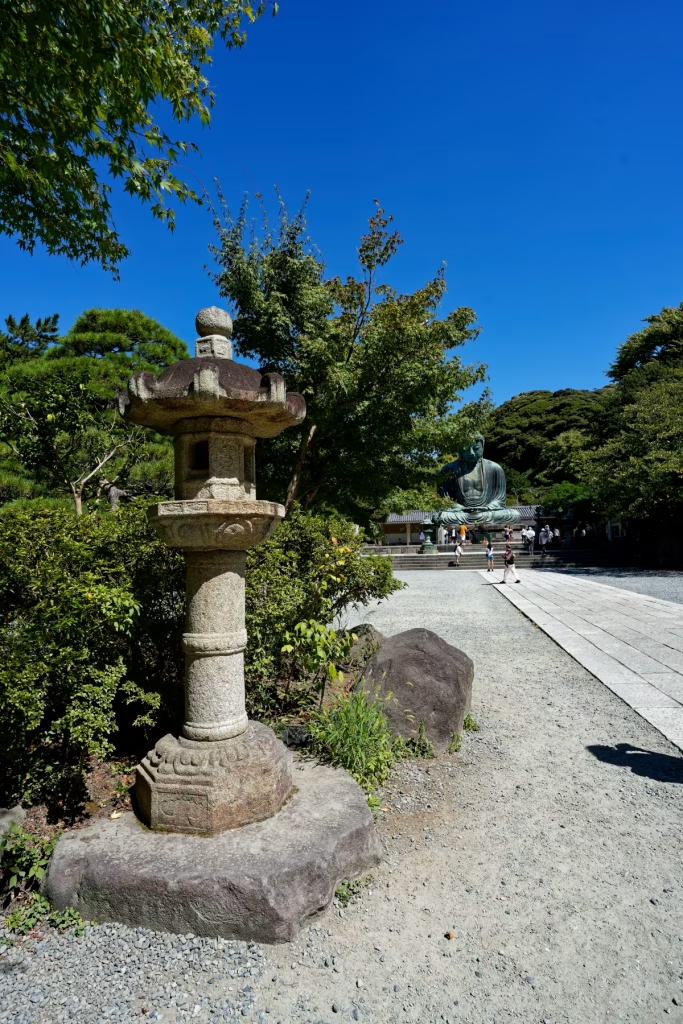
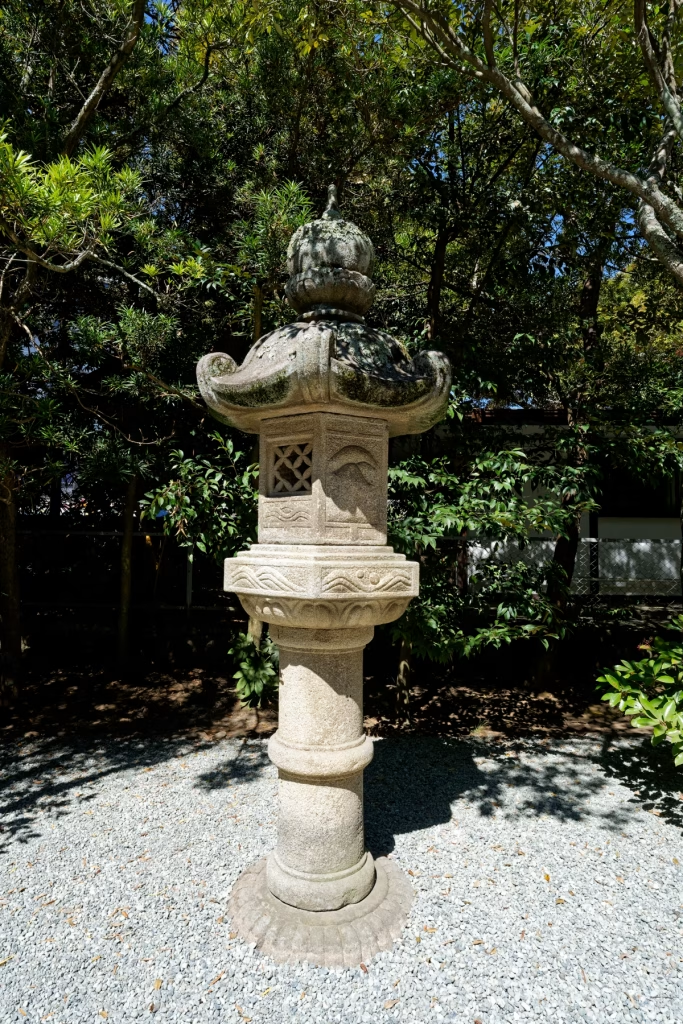
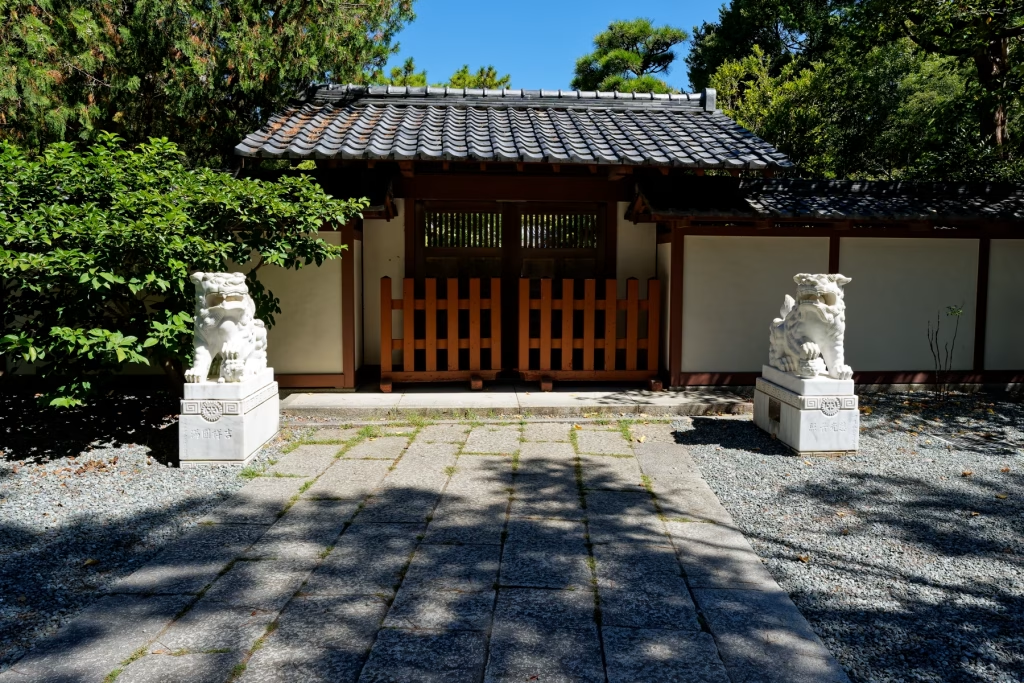
Kotoku-in itself is refreshingly restrained. If you’re expecting the packed vermilion drama of Kyoto, you won’t find it here. The grounds are simple. Gravel paths. Low greenery. A few supporting structures that know their role and do not compete. The approach builds tension slowly. The gate frames the first glimpse of bronze. Trees flank the path in a way that feels intentional but not theatrical. There’s space to breathe.
Which is necessary, because the scale does something odd to you.
Photographs flatten him. In person, the proportions are deliberate. The head is slightly oversized. The ears long and elongated, a traditional symbol of wisdom. The half-closed eyes look downward in quiet contemplation. The patina is a deep, weathered green, uneven in a way that only centuries can achieve. Lichen and time collaborate on the surface. If you’re into texture, this place delivers. Light slides across the bronze differently depending on the hour. We visited him in the morning and the early sun wrapped him in warmth.
This is where restraint in photography pays off. He does not need gimmicks. Wide shots emphasize scale. Side profiles highlight the curve of the shoulders. Close-ups of the face reveal surprisingly delicate features for something weighing more than a small house.
I found myself circling him slowly, looking for angles that didn’t feel like postcards and watching how other people interacted with the space. Children ran. Couples posed. Elderly visitors pressed their palms together and bowed. Tour groups assembled in neat clusters, guided by flags held aloft like battlefield standards. The Buddha remained unmoved by all of it.
Cool Details That Reward Patience
There are details you only notice if you really look. For instance, the urna, the small circular mark on his forehead, is made of pure silver. It represents insight. It catches light differently than the bronze around it. On a bright day, it glints just enough to draw your eye.
The hair is composed of tight curls, each one carefully formed, there are over 600 of them.
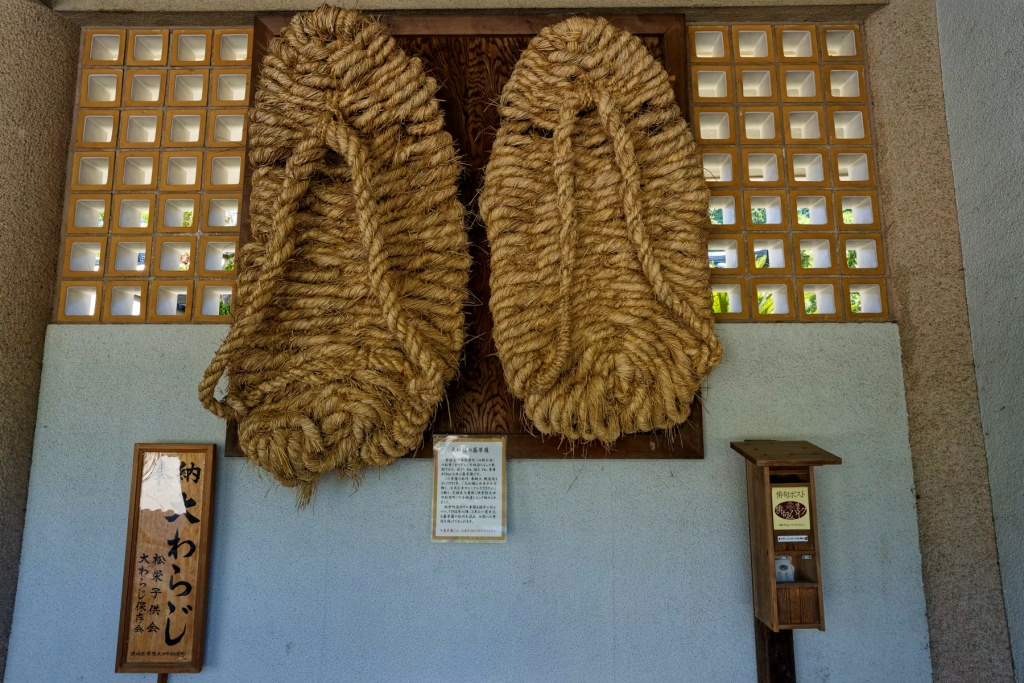
Behind the statue, you’ll see large straw sandals displayed on a rack. These were offered by children in the 20th century as a symbolic gift. They are comically oversized, which somehow makes them perfect. Even deities get practical footwear, apparently.
There is also a faint sense of imperfection in the casting. Subtle asymmetries. Slight variations in texture. They make the statue feel less like a mass-produced icon and more like a human attempt at representing something beyond human. Which, when you think about it, is what all temples are.
Personal Notes from a Bronze Audience
Kamakura has a different rhythm than Tokyo, even with crowds, it feels slower. Standing in front of the Daibutsu was overwhelming. He does not perform for you, he doesn’t sparkle. What he offers instead is scale against sky. Bronze against season. Also…maybe a quiet reminder that being unmoved is sometimes the boldest posture of all.